
Agenda
8.00am
Registration
Welcome remarks

Aditi Sharma Kalra
Editor-in-Chief
[Thought leadership keynote]
From Python to people: Building the workforce for an autonomous future
From desktop tools to cloud software, and data science to vibe coding, technology has transformed how work gets done. AI is now accelerating the next shift towards more autonomous, intelligent work.
For HR leaders, technology adoption is only one part of the challenge. The bigger priority is keeping people, judgement, and accountability at the centre. This calls for deliberate change management, redesigned roles, and new capabilities.
This session explores how to combine technological progress with human-centred transformation. Discussion points include:
- From technical execution to human advantage: Building judgement, creativity, and domain expertise for an AI-enabled workplace.
- Scaling AI with trust: Balancing in-house agent creation with governance, compliance, consistent outputs and practical oversight.
- HR leadership in workforce transformation: Redesigning roles, building capability, and helping people move from execution to decision-making.

Lye Yee Poon
Director, People Technology
Temasek International
[Leadership dialogue]
One enterprise, one strategy: Why transformation can no longer be owned by a single function
Workforce transformation and technology transformation are often driven as separate initiatives, with different priorities, timelines and measures of success. However, this fragmented approach is becoming harder to sustain. Lasting transformation requires HR and technology leaders to work in closer partnership, aligning decisions around talent, technology, and organisational priorities to drive meaningful business outcomes.
Join this leadership dialogue as HR and technology leaders share how they are breaking down silos, strengthening collaboration and creating shared accountability for transformation.
Together, they will discuss:
- Breaking down functional silos to create greater alignment between business objectives, workforce priorities, and technology investments.
- Moving from functional ownership to shared accountability for transformation outcomes across HR, technology and the business.
- Building cross-functional teams, governance models, and ways of working that enable organisations to respond faster to change and deliver enterprise-wide impact.
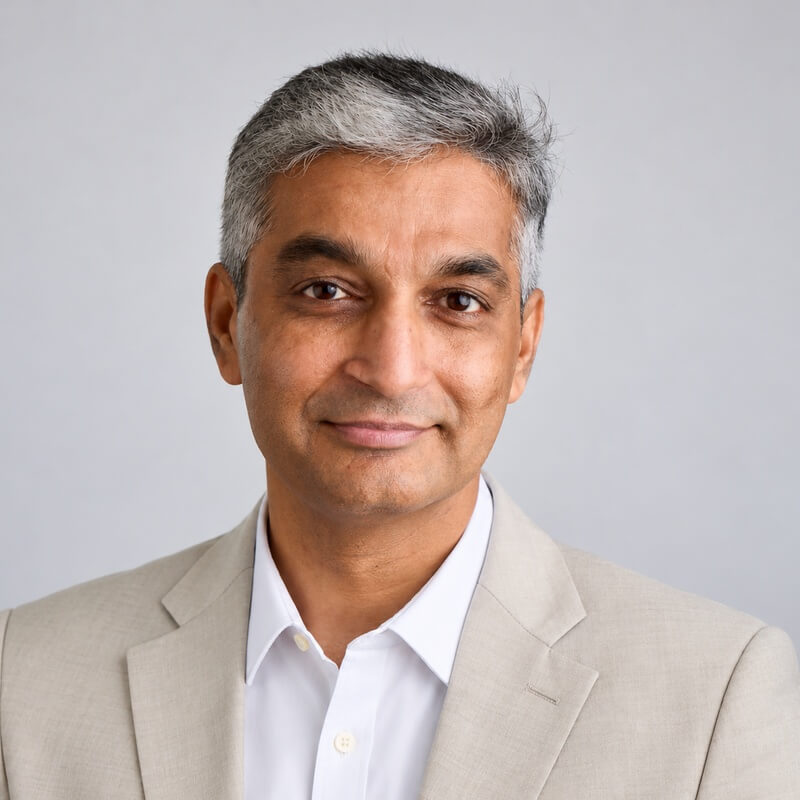
Santosh Nair
Head of Data & AI Portfolio
Demo Dome
10.50am
Morning break
Take a breather, grab a cup of coffee, and connect with fellow attendees before we dive back into the morning sessions.Take a breather, grab a cup of coffee, and connect with fellow attendees before we dive back into the morning sessions.
11.20am
[Panel discussion]
The business value challenge: Translating the value of AI into tangible organisational outcomes
Most organisations say they want AI. However, when challenged to explain what problem AI will solve or how success should be measured, the answers are often far less clear. Many leaders struggle to articulate how technology will improve business outcomes, customer experiences, workforce effectiveness or organisational performance.
The gap lies in translating technology ambition into tangible business value. In this session, we look at:
- Why the ability to articulate value remains one of the biggest barriers to successful AI adoption.
- How organisations can move beyond deployment to measure impact, provide ROI visibility, and demonstrate meaningful business outcomes.
- Establishing stronger links between technology investments, business priorities, customer outcomes, and workforce effectiveness.
Panellists:

Srikanth Chandrashekhar
Senior Global Director – CRM and HCM Technologies
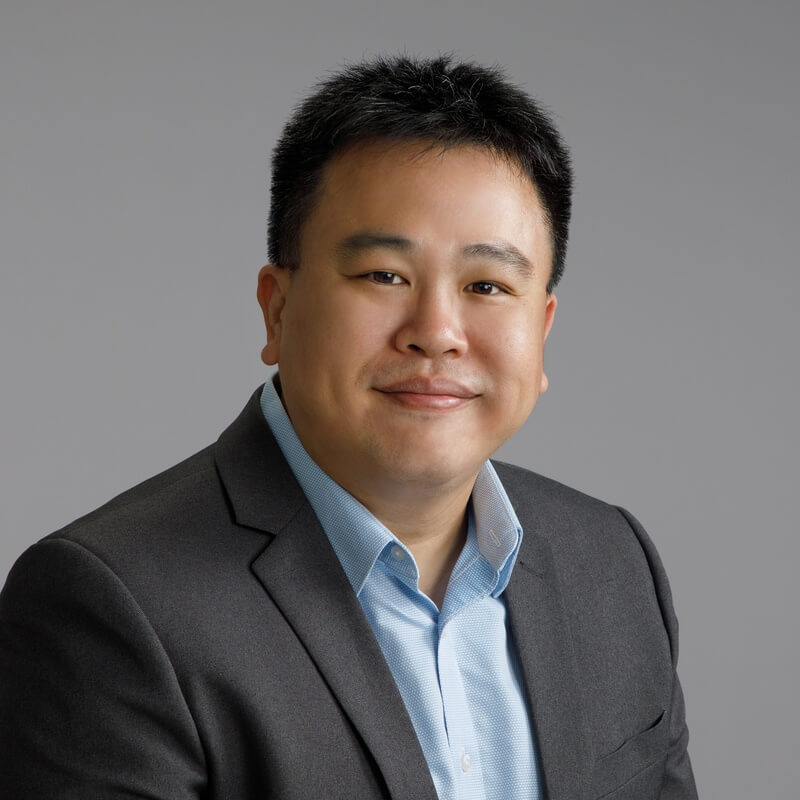
Freddy Liew
Country P&C Manager
12.00pm
[Presentation]
Knowledge continuity at scale: Protecting critical expertise and accelerating capability
Concerns are emerging around how the next generation workforce will develop domain expertise, customer knowledge, and business context with shorter runways to develop their knowledge. As experienced employees leave the organisation, preserving and transferring institutional knowledge is becoming a critical priority.
The time is ripe for us to probe new ways to scale knowledge in organisations even as the proliferation of AI is shortening attention spans and even career longevity.
In this session, we will discuss ways to:
- Preserve and scale institutional knowledge and accumulated expertise across the organisation.
- Ensure critical expertise and business context are effectively transferred as workforce dynamics continue to evolve.
- Create new pathways for employees to access knowledge, build domain expertise, and accelerate capability development.
12.40pm
Networking lunch
Recharge over a hearty lunch, exchange ideas, and make new connections, then return refreshed and ready for the afternoon ahead!
1.40pm
[InteracTech Exchange]
Tackling real-world HR and AI challenges
Reconnect after lunch through small-group discussions on the challenges organisations face as they adopt and scale AI. There will be six themed zones, each with several tables. Every table in a zone will discuss the same topic, giving attendees the chance to exchange practical perspectives with others focused on that challenge.
Every attendee must contribute at least one Post-it before the session ends. Write one idea, question or practical insight on your Post-it, add your name, and place it on your zone’s flip chart. Naming your contribution will make it easier for other attendees to find you during the break and continue the conversation. The flip charts will be available to browse during the break, so attendees can explore ideas from other groups and connect with people whose comments interest them.
How it works
- Attendees are assigned/seated in one of the six topic zones.
- At their tables, they discuss the zone’s topic and share practical ideas.
- Before the session ends, each attendee writes at least one idea, question or insight on a Post-it, adds their name, and places it on the zone’s flip chart.
- During the break, attendees browse the flip charts and connect with people whose contributions they’d like to discuss further.
Discussion topics
- AI for what? Assessing organisational readiness before you invest
What business problem are you trying to solve, and is AI really the answer? - Before the technology arrives: Building workforce readiness for AI
What capabilities, mindsets and behaviours need to be in place before transformation begins? - Escaping the pilot trap: Turning experimentation into adoption
Why do some AI initiatives scale while others stall? - Data first, AI second: Building the foundations for trusted AI
What is needed to build a strong data foundation that enables AI adoption? - Managing humans and machines: The new manager playbook
What changes when managers are responsible for both human and AI contributors? - Beyond adoption: Measuring AI maturity and organisational readiness
How do you know whether your organisation is truly AI-ready?
2.00pm
[Case study]
What will AI really cost? From HR pilot budget to business value
For many organisations, the AI business case is hard to pin down. How much funding does it take to get started? How quickly can usage costs grow? And how do you know whether the investment is delivering enough value to scale?
This real-life case study will follow an AI implementation from initial budget to ongoing use, showing how the organisation estimated and managed costs, assessed the results, and decided what to do next.
The case study will explore:
- What it took to fund and launch the initial use case.
- How usage and ongoing costs were forecast, monitored and managed.
- Which costs beyond the technology itself mattered, such as integration, data, governance and support.
- How the organisation measured business value and decided whether to refine, expand or stop the implementation.
2.40pm
[Training ground]
Bringing AI into performance management: A practical implementation playbook
In this hands-on session, hear directly from an L&D leader who has piloted and implemented AI-powered approaches across performance management, from simulation-based manager training to AI-enabled feedback.
Join this session to learn about:
- Using AI simulations to help managers practise and improve performance conversations before engaging employees.
- Leveraging AI to strengthen feedback quality, competency assessments, and development planning.
- Navigating implementation challenges, stakeholder concerns, and governance considerations when scaling AI-enabled performance practices.
Speaker:
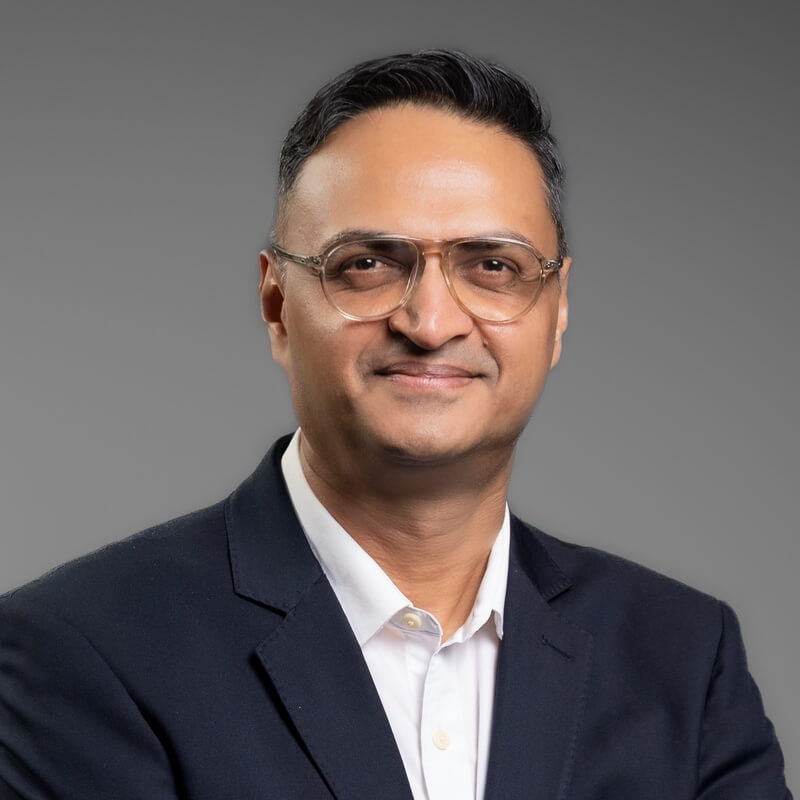
Binesh Menon
Director, Learning & Organisation Development – Asia Pacific
3.10pm
Afternoon break
Refuel with a cup of coffee or tea and enjoy a quick chat with peers before we wrap up the day’s final sessions.
The human edge
3.40pm
[Panel discussion]
Designing work, not jobs: Building the talent model for an AI-enabled organisation
Many organisations are discovering that the biggest challenge is no longer where AI can be applied, but how work itself should be organised. As new forms of human-AI collaboration emerge, leaders must determine how talent models should evolve to support the organisation of the future.
Let’s come together and hear from our panellists on:
- Moving beyond traditional job-based structures towards more fluid talent models.
- Redesigning decision rights, workflows, and accountability as people and intelligent agents increasingly work together.
- Developing leaders to influence and lead beyond traditional reporting lines as AI reshapes organisational structures.
4.20pm
[Closing presentation]
The culture factor in AI success: Bringing human, artificial and cultural intelligence together
The true impact of AI is determined not only by technological capability, but by how effectively organisations combine human judgement, intelligent systems and a culture that enables change. As work continues to evolve, leaders must ensure innovation enhances human potential while building adaptability and shared purpose needed to create lasting value.
In this closing session, let’s come together to explore a fresh perspective on the AI story through the lens of cultural intelligence.
Talkpoints includes:
- Why the future of AI success will depend as much on cultural intelligence as technological capability.
- The leadership, behaviours and organisational conditions needed for human and artificial intelligence to create lasting value together.
- How organisations can innovate responsibly while maintaining trust, resilience and a shared sense of purpose amid constant change.
Speaker:

Eng Sing Soon
Vice President – Group Talent
4.50pm
Closing address
Aditi Sharma Kalra
Editor-in-Chief
Human Resources Online
5.00pm