DAY 1 | WEDNESDAY, 23 SEPTEMBER 2026
Registration
Opening Remarks

Priya Sunil
Deputy Editor, Southeast Asia
Navigating complexity through learning
[Opening keynote]
What if agility started with mindset, not process? Upskilling employees to adapt, act, and create value
Drawing on lessons from Malaysia’s dynamic entrepreneurial landscape, this keynote explores how leaders can build an entrepreneurial workforce within established organisations, where people are equipped to create practical solutions and move the business forward.
Get set to discuss:
- Building ownership, curiosity, resilience, and opportunity-led thinking through upskilling.
- Designing learning around real business challenges to strengthen judgement, problem-solving, and action.
- Creating the trust, support, and boundaries that enable employees to experiment and learn from setbacks.
- Using servant leadership to foster openness, autonomy, innovation, and hope in times of change.
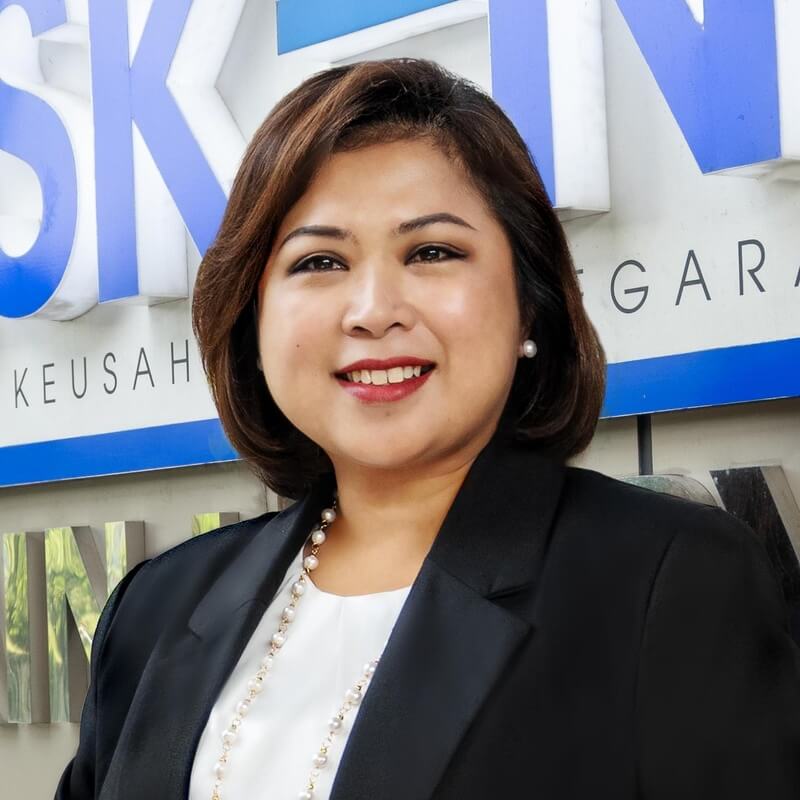
Viviantie Sarjuni
Chief Executive Officer
[Presentation]
Future-ready succession: The non-negotiables for high-potential development in an era of change
In this context, building a strong foundation of people who can grow, adapt, and take on more complex challenges is essential for organisational stability and business continuity.
This research-backed session explores why it is time for talent and L&D leaders to rethink what matters most in leadership development, HiPo identification and succession planning. The focus is on moving beyond narrow, inconsistent processes towards holistic, fair and objective programmes that reflect the demands of today and strengthen the company of the future.
You will hear from our speaker on:
- Why traditional high-potential programmes anchored in performance and subjective judgements overlook genuine potential, slow down internal mobility, and shrink succession pipelines.
- What “future readiness” looks like today: Capabilities that define leaders who can navigate change, complexity and uncertainty.
- Turning insights into impactful development: How to embed change readiness and transferable skills, competencies and support, into leadership journeys for those stepping into critical roles.
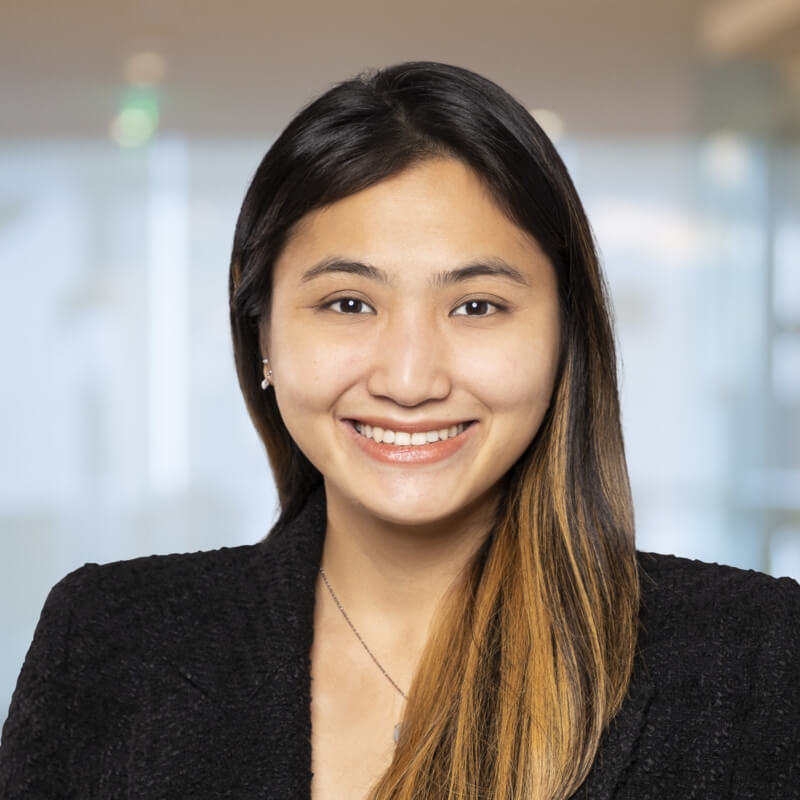
Amberlicia Anthony Thane
Senior Consultant
Networking break
[Presentation]
Data storytelling: Make your insights impossible to ignore
- Craft a key takeaway that resonates with your specific audience
- Choose the right visualisation and strip away the clutter
- Use AI to sharpen your message and write persuasive action titles

Dominic Bohan
Co-founder
[Presentation]
Beyond the workshop high: Making organisational development stick in daily work
This session explores how HR and L&D leaders can move from one-off programmes to repeatable systems that embed leadership practice into everyday work. We will look at how to build accountability, repetition, and coaching habits that help managers lead better, sustain change, and improve team performance.
Get set to discuss:
- Moving from one-off workshops to continuous leadership journeys embedded in real work.
- Creating practice rhythms and accountability structures that turn learning into habit.
- Helping managers move from giving answers to asking better questions that grow team capability.
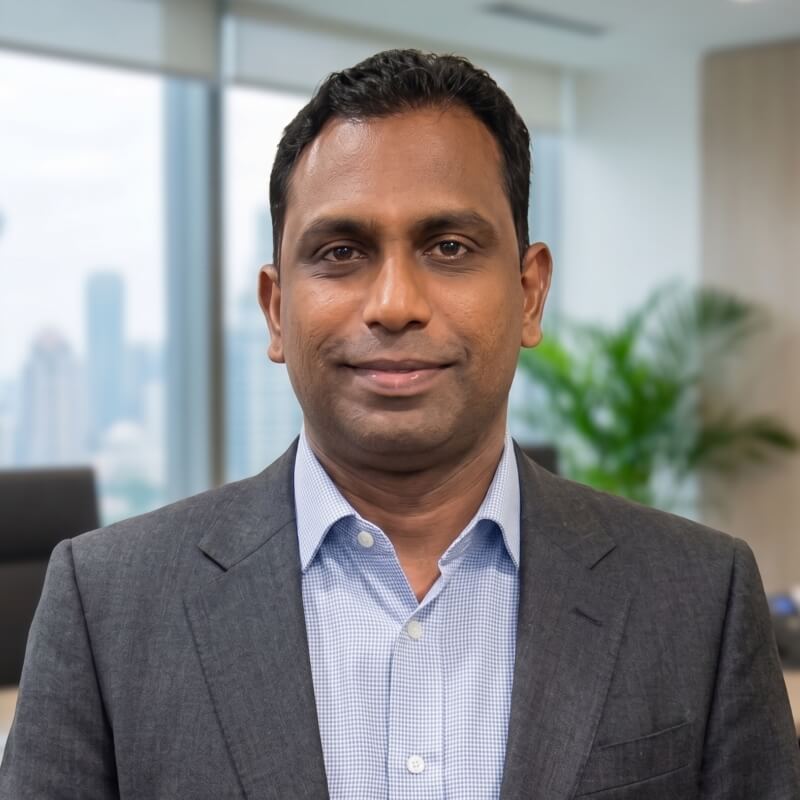
A. Sathiyan
Founder and Lead Facilitator
Engage Consultancy
Lunch break
Learning connects
Humanising technology
[Panel discussion]
From vacancy to velocity: Keeping pace with mid-management scarcity, critical skills and digitalisation
In this panel discussion, we discover how to design an integrated talent and leadership pipeline that links structured hiring needs with hands-on development, global exposure and a strong line of sight to business needs. Through mentoring, partnerships, and differentiated learning for different generations, we can enable L&D leaders to rebuild future ready capability.
Join us to discuss:
- Designing integrated pipelines that connect recruitment, upskilling and clear progression pathways to ensure sustainable succession planning.
- Applying mentoring, mobility and cross-border exposure to build practical capability.
- Adapting learning to generational preferences and incentivising critical soft skills, such as problem solving and knowledge sharing.

Eric Lim
Vice President, Learning Excellence | Group Business & Transaction Banking
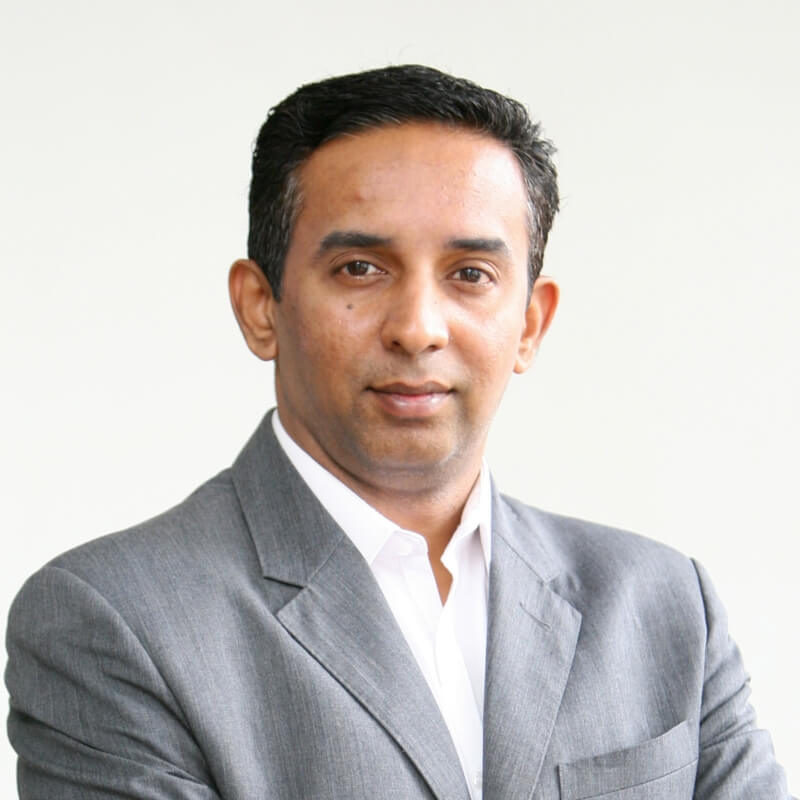
Guna Govin
Founder and CEO
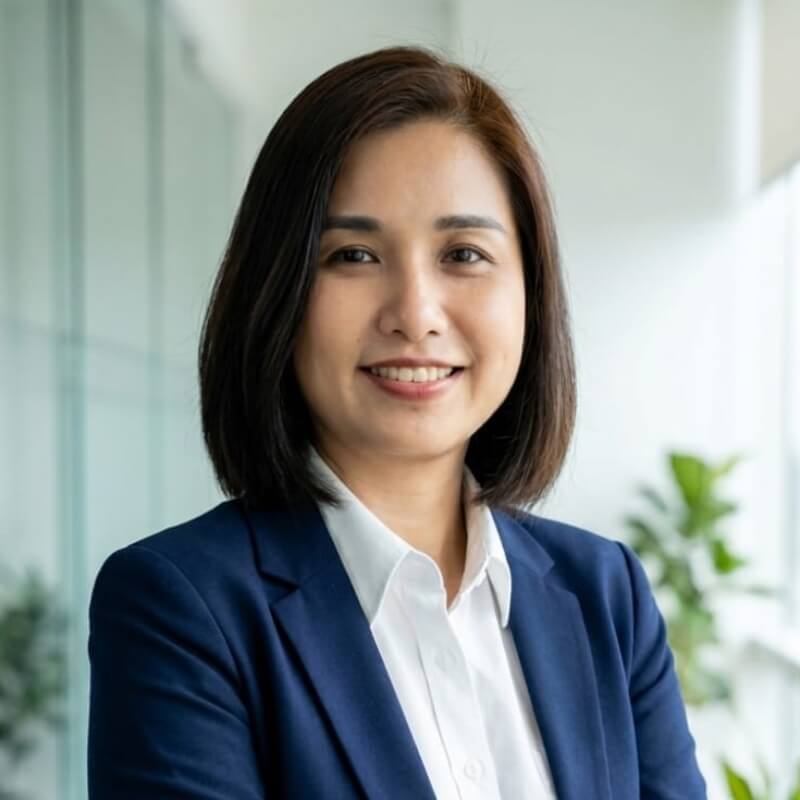
Alicia Yip
Head, Organisational Development & Culture

Alvin Toh
Co-founder and Chief AI Officer
[Presentation]
Context is king: Why L&D remains the architect of performance in an AI world
By anchoring AI in established human performance models, we look at how L&D practitioners can transition to strategic architects who deliver personalised development at scale.
This session covers:
- The performance-first audit: Ensuring AI is activated to solve systemic performance gaps rather than just delivering more training content.
- Expertise driven AI literacy: Upskilling interventions for high precision prompts to generate rapid, contextual solutions.
- Scaling the learning loop: Using AI as a real-time partner to bridge formal training and on-the-job challenges for the workforce.

Farha Burhan
Talent Development Lead
Networking break
[Panel discussion]
A gaping developmental gap: What happens when AI takes over work that is used to build experience and character?
So how can companies upskill staff to bridge this emerging gap? This session explores how to redesign development pathways so that the efficiency of automation does not come at the cost of long-term leadership capability.
Key discussion points include:
- Rethinking talent development when AI removes traditional apprenticeship work.
- Balancing productivity with the long-term need for human skill building and internal upskilling.
- Shifting the focus towards the ability to audit and guide reliance on AI-generated outputs to ensure the leadership pipeline remains robust.

Joachim Ooi
Head of People
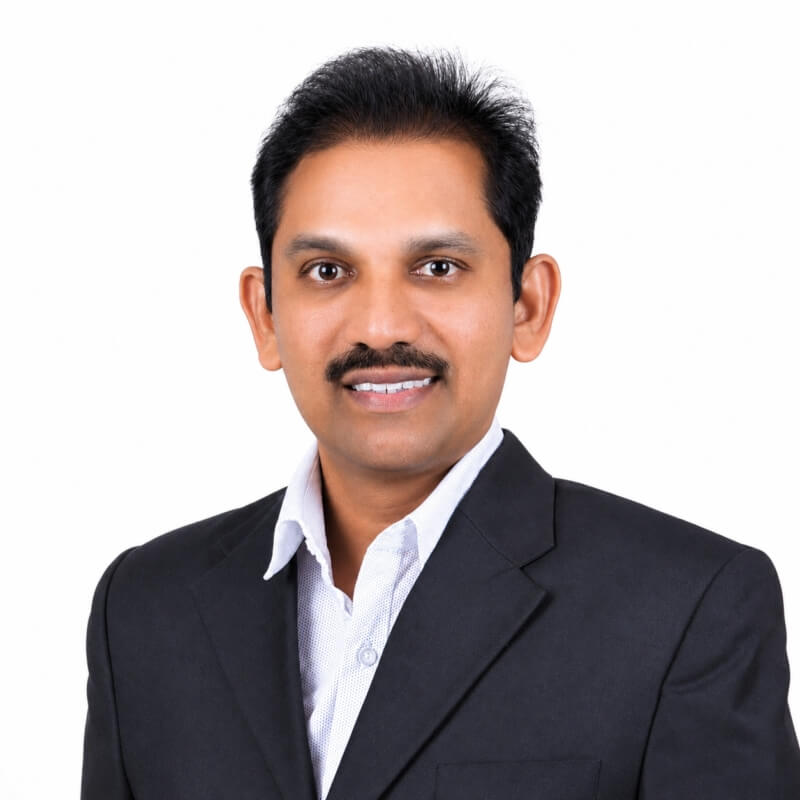
Andy Muniandy
Regional Director, Global Human Resources, and General Manager

Elvira Moey
Chief People Officer
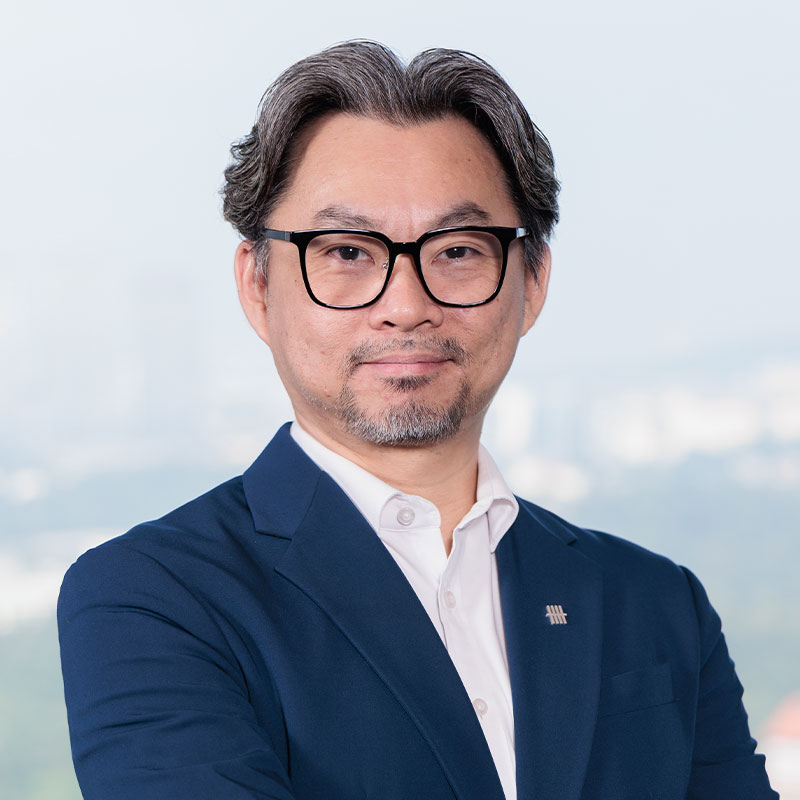
Johnny Loke
Head of Learning & Development
[Presentation]
Cultivating the AI native pipeline: Rethinking talent development from classroom to boardroom
Reflecting the commitment of a global MNC to Malaysia’s growth economy, this approach moves beyond the classroom to foster deep integration with institutions of higher learning (IHLs). By co-creating immersive graduate programmes, organisations can bridge the gap between academic theory and industry reality to ensure the next generation is truly AI native.
Join this session to learn:
- The L&D evolution: Why leaders must pivot from merely running training programmes to architecting end-to-end ecosystems that integrate talent from school to the workforce.
- Partnerships which matter: Building shared accountability with IHLs to design graduate programmes that ensure talent is AI ready and community powered before they enter the industry.
- The Malaysia roadmap: Navigating the local landscape of graduate employability to build resilient pipelines tailored to Malaysia’s specific digital economy goals.
Shawn Lim
Global Head, Emerging Talent