DAY 2 | THURSDAY, 24 SEPTEMBER 2026
Registration
9:00 AM
Opening address

Priya Sunil
Deputy Editor, Southeast Asia
Human Resources Online
Building resilience
9:20 AM
[Keynote presentation]
Beyond skills: Breaking the capability trap to build leaders for organisational excellence
Organisations can fall into a capability trap when development focuses only on skills and execution, without building the human qualities that turn capability into performance. As work becomes more complex, talent development must prepare the workforce to do better things, make stronger decisions, lead others, and step confidently into future roles.
This opening keynote explores how HR and L&D leaders can shift from short-term capability building to deeper human development. We will look at how to strengthen judgement, ownership, adaptability, and leadership readiness that supports long-term organisational excellence.
Get set to discuss:
- Moving beyond skills gaps to develop the human capabilities that drive performance, judgement, and leadership potential.
- Breaking the capability trap by shifting from execution-heavy development to higher-value thinking, decision making, and ownership.
- Prepare emerging talent to lead with confidence, not just progress through roles.

Naziatul Shafeenaz Nasruddin
Chief People Officer
Astro
10:00 AM
[Spotlight]
Closing the digital capability gap: Turning digital ambition into sustainable performance
Roughly 70% of digital transformations fall short due to a lack of end-user adoption. To turn digital plans into results-ready performance, human capability and behaviour change are necessary to ensure that any tech platforms make a real difference in transformation.
This session explores how L&D can orchestrate workforce readiness and close the gap between purchasing technology and achieving true transformation on the frontline.
Get set to discuss:
- Bridging the adoption gap: Ensuring technology investments translate into performance by pivoting the focus towards workforce readiness.
- Equipping for behaviour change: Designing capability interventions so employees proactively embrace new platforms and ways of working.
- Reinforcing practised behaviours: Treating adoption as a designed, measured discipline rather than a one-off event to guarantee lasting business value.
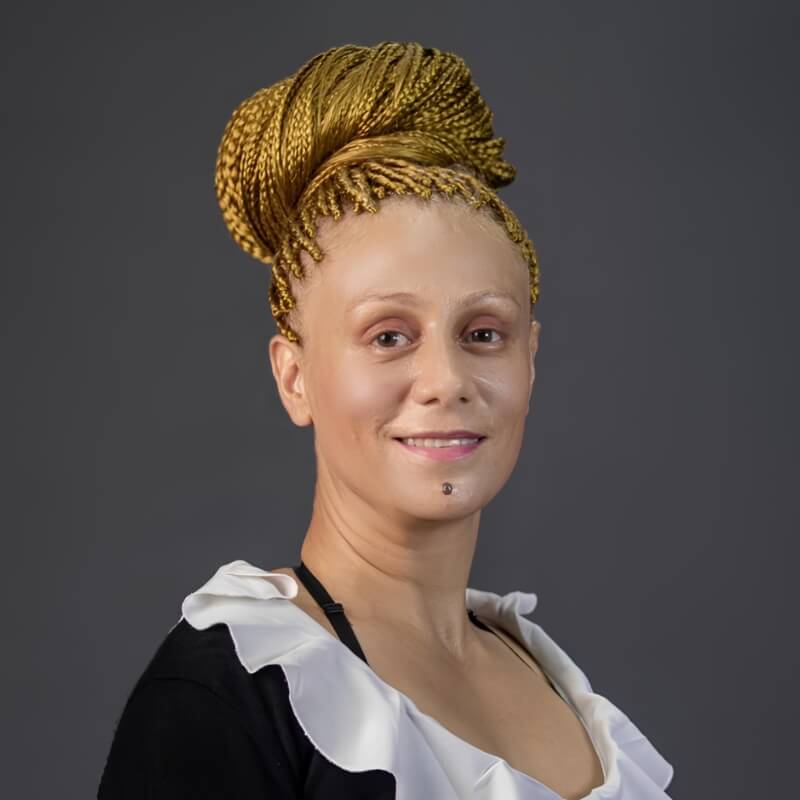
Sabahat M
Global Head, Content and Learning & Chief Partnership Officer
10:20 AM
Workforce intelligence: Moving beyond learning completion to workforce readiness
As organisations accelerate AI adoption and business transformation, L&D faces a critical question: Are employees simply completing learning, or are they truly ready to perform in the realities the business will face?
Traditional L&D metrics measure participation, knowledge, and completion, but provide limited visibility into whether people can apply skills, exercise judgement, and adapt when conditions change. This session explores how workforce intelligence, powered by AI-driven assessments, behavioural analytics, and immersive simulations, can bridge the gap between learning and readiness.
Discover how organisations can move from measuring what people have learned to understanding what they can actually do, testing capabilities against evolving business scenarios, and generating actionable intelligence to guide development, leadership readiness, and workforce transformation.
Key takeaways:
- Distinguish between learning completion, capability, and workforce readiness, and understand why each requires different evidence.
- Explore how AI-driven assessments and simulations can reveal applied skills, behaviours, adaptability, and decision-making in realistic scenarios.
- Turn learning and behavioural data into workforce intelligence that informs development priorities, leadership readiness, and future workforce strategy.

Andrew Lau
CEO and Founder
10:40 AM
Networking break
11:10 AM
[Presentation]
Building agile leaders: Driving continuous transformation through L&D
Given that an agile mindset is now a continuous capability to be developed, we look at the L&D team’s responsibility to move from structured programmes to a dynamic enabler of agility. This involves the building of leaders’ capability to pivot anytime through real-time, business aligned skills, and shared accountability.
We utilise this time to discuss:
- Ways L&D teams can partner closely with HRBPs and business leaders to identify capability gaps with greater speed.
- How to pivot from traditional, competency-based learning frameworks to agile, community-powered, on-demand interventions that the business needs.
- Making ‘learning in the flow of work’ a reality by ensuring leaders build better decision-making skills and business acumen required for continuous improvement and transformation.
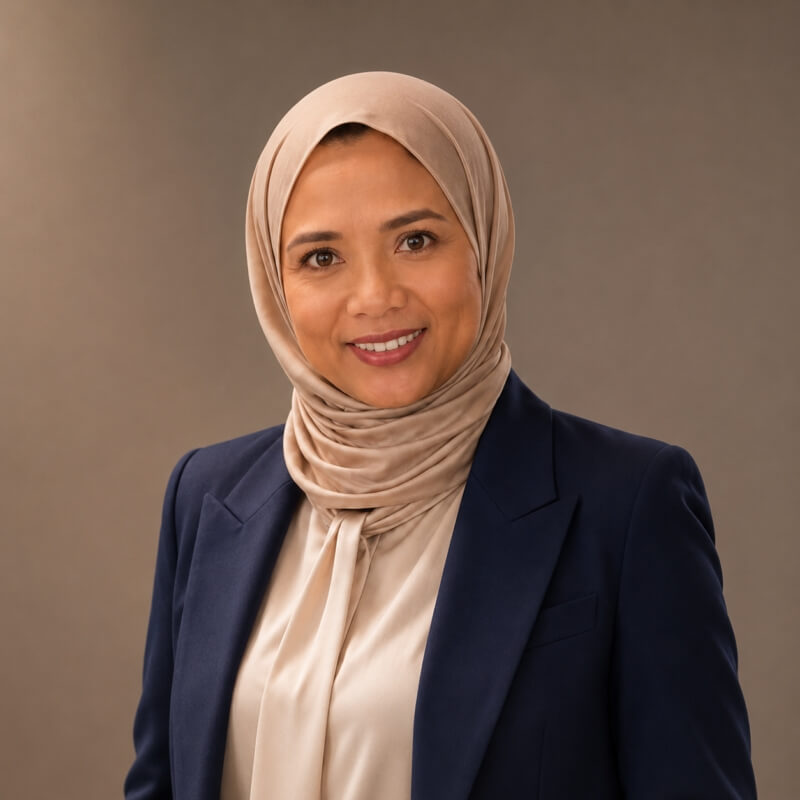
Marlini Rashid
HR Director, Malaysia & Singapore
11:50 AM
[Panel discussion]
From labour-intensive to skills-intensive: Preparing workers for technology-shaped roles
As labour-intensive sectors adopt more automation, digital tools, and advanced equipment, frontline work is becoming more tech-impacted. The future will depend on workers who can operate, maintain, troubleshoot, and improve technology on the ground. This makes Technical and Vocational Education and Training (TVET) a critical pathway for equipping workers with the practical skills, knowledge, and confidence needed for specific trades, technical careers, and evolving workplace demands, while valuing their specialised skill sets.
In this workforce development session, you can look forward to:
- Ways to identify the technical, digital, and problem-solving skills workers need as frontline roles become more technology-driven.
- Understanding how TVET and vocational training can support progression from entry-level roles to skilled technical and supervisory positions.
- Exploring how employers, training providers, and industry partners can align hands-on learning with business transformation and future workforce needs.
Panel moderator:

Dr Maizura Mohamad
Director of Corporate Services
National Entrepreneurship Institute (INSKEN)
Panellists:

Muhamad Bazli Abd Aziz
Head of Human Capital
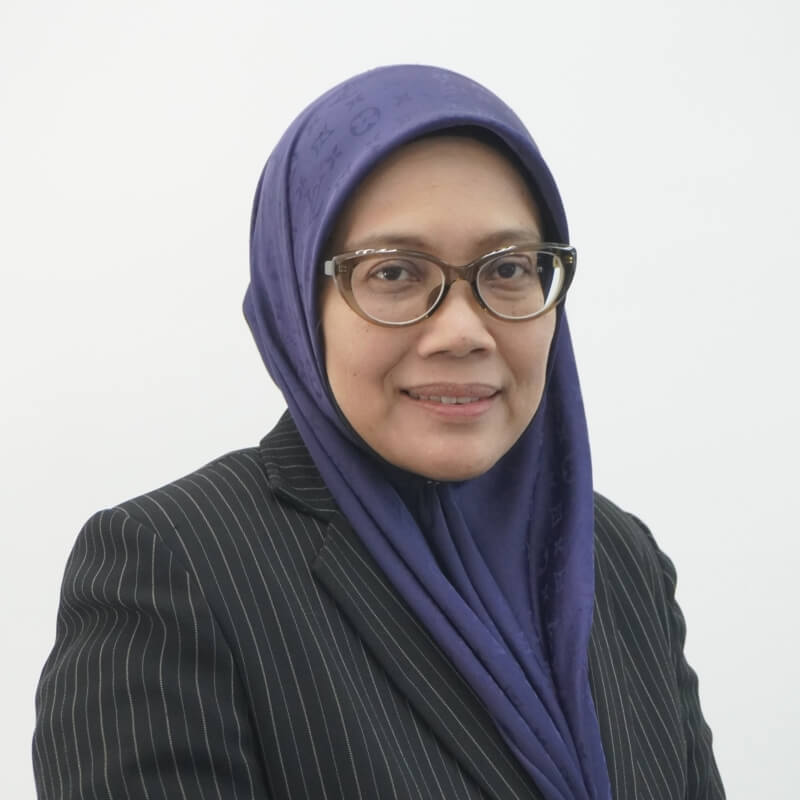
Norhaslita Ramli
Head of Learning and Capability Development
Prasarana Malaysia
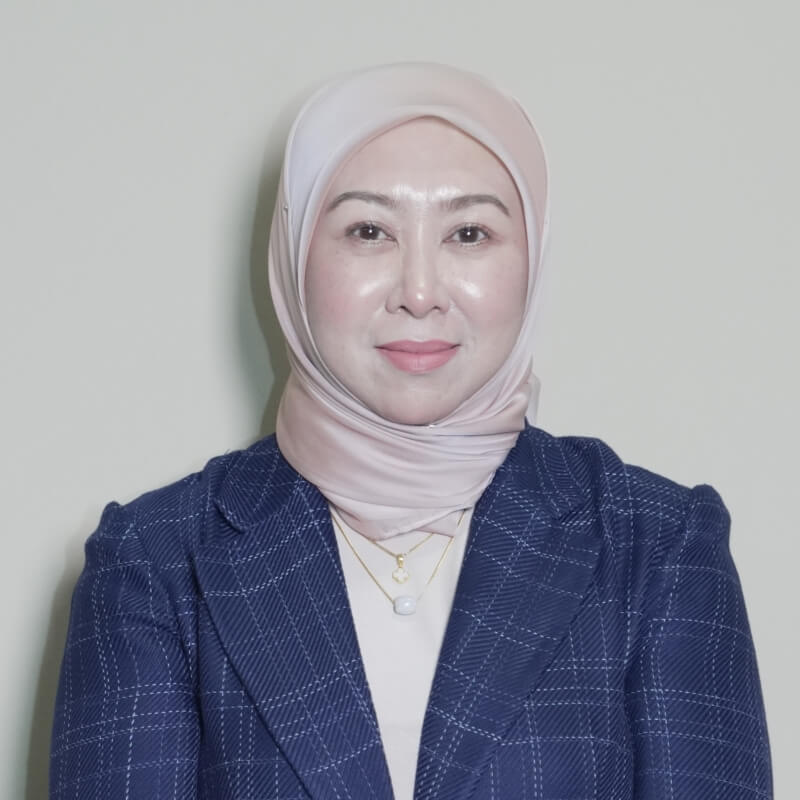
Norita Ab Hamid
Head, Human Resources Department
Sime UMW
12:30 PM
Networking lunch
1:30 PM
Learning reimagined
[Presentation]
The resilience blueprint: Bridging the gap between corporate expectations and human capability
When boards set aggressive corporate goals, they frequently overlook the critical human enabler required to execute them. True organisational resilience is built when performance demands are matched with equal parts tool enablement and psychological readiness. Drawing on real-world lessons, this session addresses how L&D and HR leaders must deploy business acumen, real-time data automation, and supportive leadership frameworks to ensure employees can sustainably deliver under high-velocity market pressures.
In this session, delegates will learn:
- How to align human readiness with commercial KPIs by ensuring aggressive growth targets are matched with the necessary tools and enablement.
- Ways to counter technology hype by prioritising human capability, setting clear operational boundaries, and ensuring AI serves specific business objectives.
- Strategies to overcome leadership burnout and incentivise the next generation of managers through proactive sentiment check-ins and stronger corporate support systems.

Victor Tan
Head, Institute of People Development
Certis Corporate University International
2:10 PM
[Presentation]
Teams that outperform turbulence: Innovative learning formats for rapid upskilling
Static training programmes are too slow for today’s high-velocity workplace, which is why this session moves past theory to showcase the actual execution of next-generation L&D. Discover how organisations are deploying micro-learning, immersive formats, and modern upskilling pathways to build team capability.
The speaker leading this conversation will be talking about:
- Shifting from long courses to micro-learning nudges that employees consume and apply in minutes to improve time-to-proficiency.
- Strengthening mid-management progression through hybrid learning, real case studies, and practice-based formats that build execution presence and judgement.
- Building cross-functional team capability through frictionless, real-time learning programmes that directly solve immediate business challenges.

Tharathorn Suksawad
Global Group Talent Senior Manager
Jebsen & Jessen Group
2:50 PM
Networking break
3:20 PM
[Presentation]
When the numbers fall short: How do we accurately measure the impact of learning?
For years, learning impact has been assessed at the end of programme, whereby L&D teams are left justifying value based on completion rates, attendance, and satisfaction scores that say little about whether performance has actually improved.
But expectations have changed. Business leaders today want clearer answers: Did learning change behaviour? Did it build capability? Did it move the needle on performance?
In this session, our speakers argue that the problem is not measurement alone, but how learning is designed in the first place. Attend this session to find out:
- A clearer definition of learning impact that speaks the language that business leaders understand.
- Practical ways to design learning around performance and behavioural changes, more than content.
- Frameworks to move learning ROI conversations beyond completion rates and smile sheets.

Jin Hui Yau
HR Director for Malaysia & East Asia One Solution Center
Schneider Electric
4:00 PM
[Panel discussion]
Engaging the exceptional: Keeping the spark alive for your top performers
High performers are often the most driven, and the most challenging, talent to engage. Their ambition, expectations, and desire to contribute require an intentional approach from leaders.
In this session, we look at how to move beyond surface-level engagement strategies to address deeper drivers for high performers, such as belonging, mastery, and purpose.
Conversation in this session will focus on:
- Identifying and activating the drivers of engagement for high-performing talent.
- Personalised engagement strategies for managers through tools like improved questioning, feedback styles, and communication.
- Applying powerful coaching techniques to uncover barriers and sustain motivation.

Faiza Mat Saaid
Director – Talent, Performance & People Experience

Kiran Kaur
HR Director

Rebekah Benjamin
Senior Learning Lead, Southeast Asia, Malaysia and Singapore
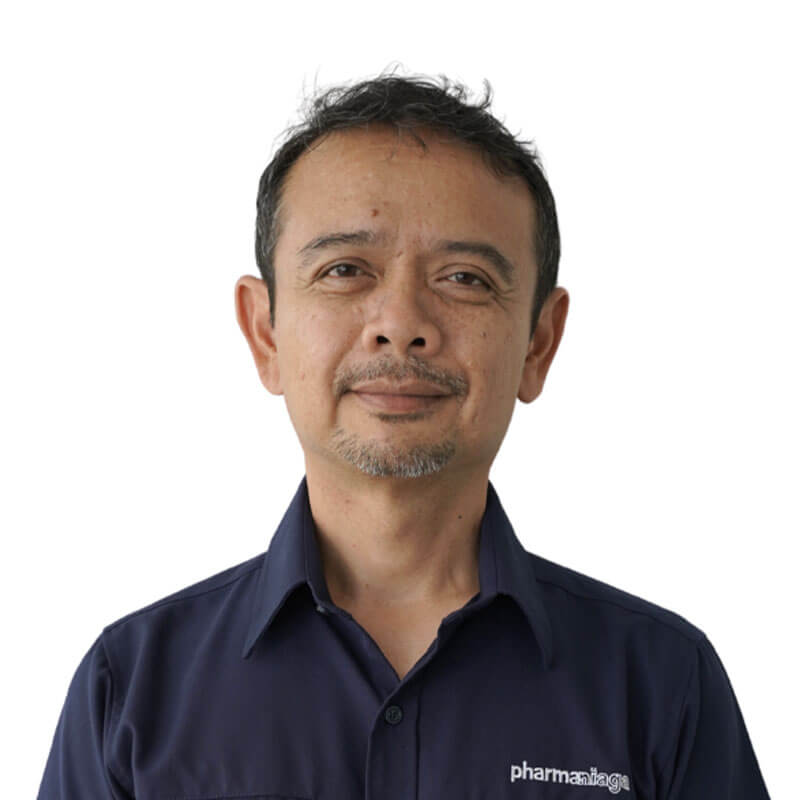
Mohd Lufti Osman Haron
Vice President, Talent Management
Pharmaniaga
4:40 PM
Closing remarks
5:00 PM