Agenda
Registration
Welcome address

Aditi Sharma Kalra
Editor-in-Chief
9.10am
Opening remarks

Umairah Nasir
Journalist
Modernising rewards
The next episode: Are rewards leaders ready to move from CoE specialists to strategic advisors?
Too often, rewards leaders remain focused on producing data rather than shaping the strategic conversations around workforce planning.
Call for the total rewards (TR) function to evolve faster are growing, and business requirements move from technical expertise to strategic influence.
We spend time in this session to talk about how TR leaders can move into a space where they translate rewards insights into decisions that drive business outcomes.
- The reasons that are limiting the strategic value of the rewards functions, amidst rise in automation of processes and surveys.
- How TR professionals can translate rewards analytics into compelling business narratives that influence workforce strategy and business decisions.
- The skills and mindset needed for TR professionals to expand their influence and ultimately position themselves for broader HR leadership roles, including the path to CHRO.
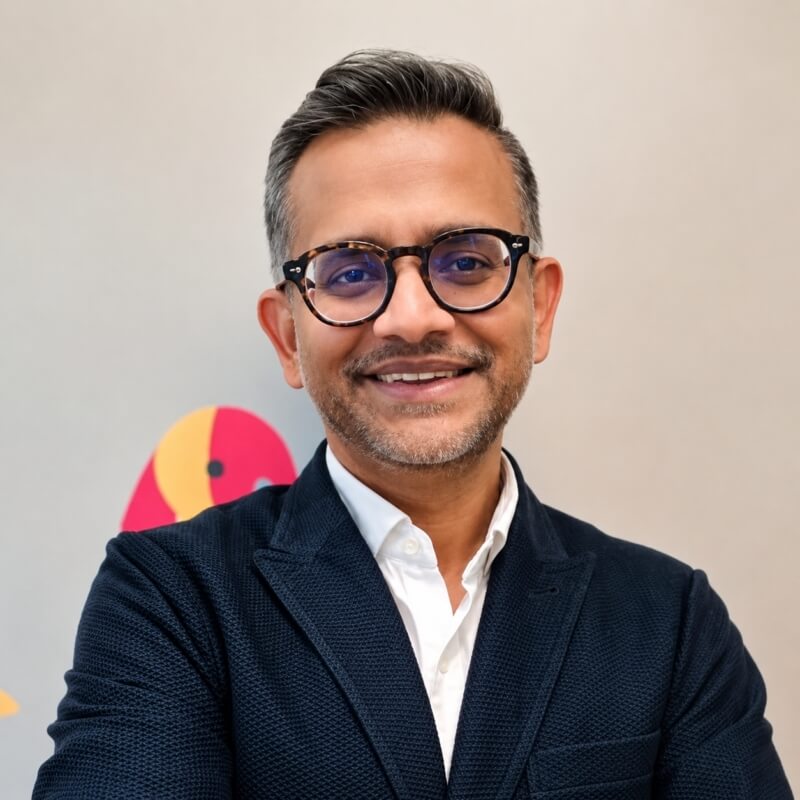
Shazmi Ali
Vice President of Human Resources, Shell Business Operations (SBO)
The future of workplace wellbeing: Where AI, data and employee-centric benefits converge
Discussion points include:
- Reframing workplace wellbeing as a strategic business priority that drives better productivity, engagement, and retention.
- Using AI and digital tools to personalise wellbeing support at scale for diverse workforce needs.
- Leveraging people analytics to measure outcomes, identify risks such as burnout, and refine wellbeing strategies while respecting privacy
- Redefining employee benefits through flexible, human-centred design that supports holistic wellbeing and improves utilisation and satisfaction.

Cedric Deschamps
CEO

Heena Bose
CEO
Morning refreshments and networking break
One workforce, different needs: Building a reward strategy that delivers for all
We will find out in this session, as we probe into:
- The need to ensure a well-articulated reward philosophy is in place to provide guardrails for decision-making.
- Could pay for performance be an underutilised tool to address diverse expectations without defaulting to one-size-fits-all rewards?
- How TR leaders can balance relevance, affordability, and market competitiveness in their rewards investments.
- Using data and technology to guide reward design, improve utilisation, and optimise cost-to-value outcomes.

Pooja Todi
Global Mobility Programmes Manager

Su Lyn Doong
Country HR Leader

Vincent Li
CEO

Jayanti Kandayah
Head of HR
Workforce empowerment
Wellness by choice, not chance: Building meaningful, data-driven strategies that improve workplace wellbeing
Often, however, introducing change – big or small – faces possible resistance as it brings disruption to the usual process or cultural norms, unless supported by data collection and employee feedback.
In this discussion, allow our panellists to shed light on:
- Why long-term wellbeing success relies on micro-behaviours such as nudges or habit loops, not grand programmes.
- How to move beyond ad-hoc wellness activities and instead use data to diagnose workforce needs, segment employee populations, and prioritise interventions.
- A practical playbook for managing pushback when introducing new wellness habits or tools.

Amanda Lim
Head of Talent Management

Katherine Leong
Director of Health and Wellness Tech
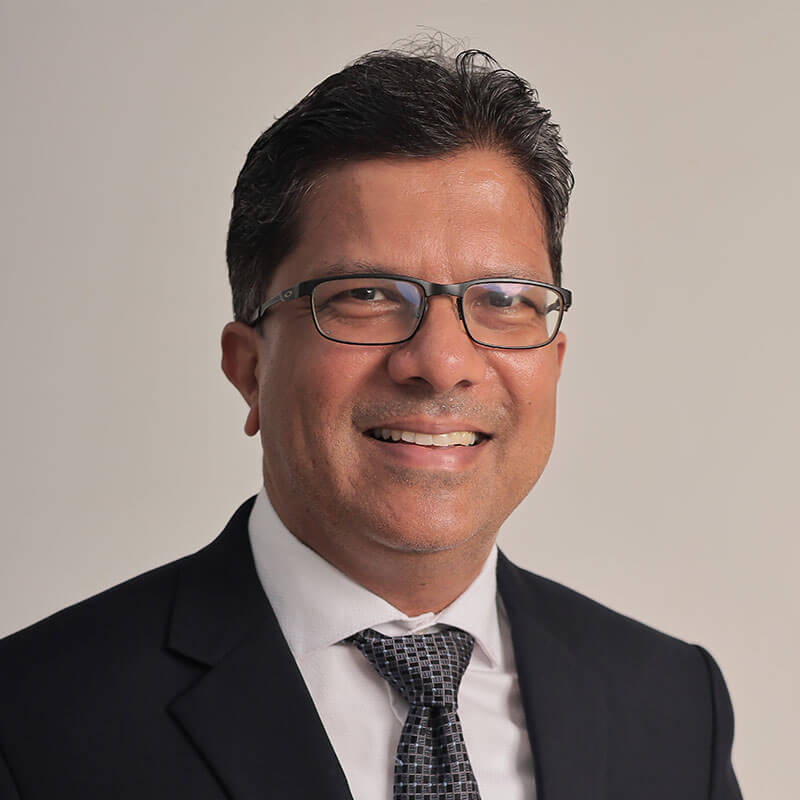
Vellu Mahadevan
Country HR Director

Debica Sigamani
Chief Talent Officer
Omnicom Media
Networking Lunch
From care to competitive edge: Operationalising wellbeing as a business strategy
This session explores how organisation anchors its wellbeing strategy on three core pillars namely; physical, mental & emotional, and psychosocial wellbeing and reframes wellbeing as a structured, business-aligned strategy rather than a standalone HR initiative.
In this session, we come together to learn about:
- Translating a wellbeing philosophy into structured programmes, policies, and leadership accountability.
- Beyond EAPs: How peer support systems and targeted interventions can drive healthier help-seeking behaviours.
- Leveraging wellness to drive positive business impact, including reduced manhour wastage, improved productivity, and stronger employee retention.

Laavenia Ramasegar
Head of Wellbeing
Moving away from an ‘entitlement’ mentality: Repositioning total rewards as a driver of culture and change
This session explores a thought provoking take on how total rewards can be deliberately repositioned to support culture, and the change journey required to make that stick.
Get set to hear our panellists talk about the why, what, and how, namely:
- Why benefits should be treated as a hygiene factor rather than a headline promise.
- What it takes to challenge long-held assumptions that employers must “provide everything”.
- How extending rewards strategy into people managers’ capabilities can reinforce culture while respecting cost, utilisation, and individual choice.

Jaime Liew
Regional Total Rewards Lead
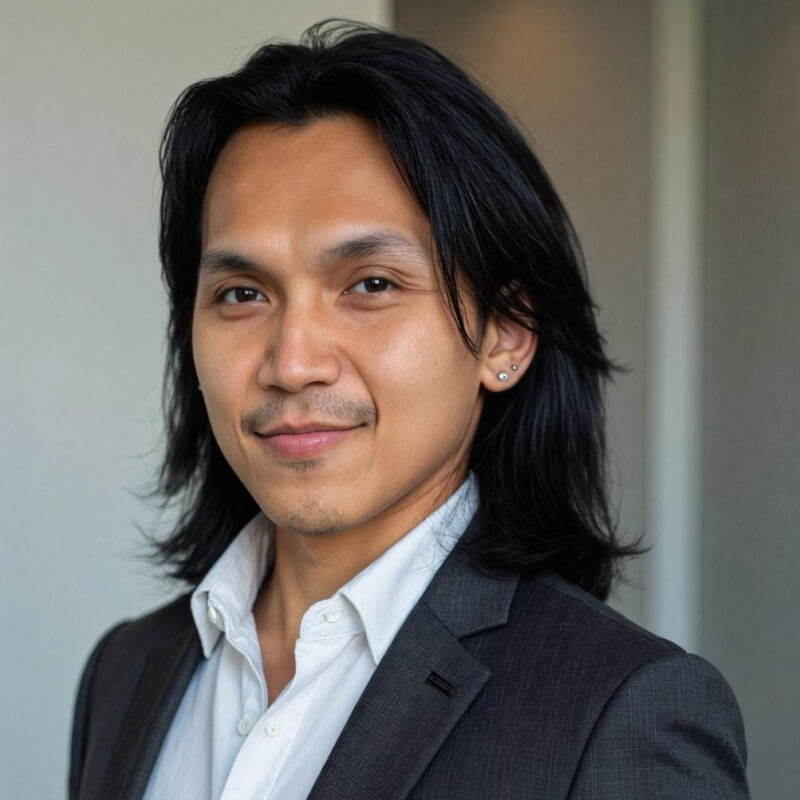
Surya Darpita
Senior Principal APAC CoE Total Rewards and Performance

Thamayenthi Narayan
Senior Director, Group Cluster Human Resources MY, BN, SG, VN, ID, PH
Afternoon refreshments and networking break
Sustainable rewards strategy
Don’t we all want the best: Designing sustainable compensation to procure in-demand skills
In this session, we find out how total rewards (TR) and talent acquisition (TA) teams are working together to make disciplined, data-backed decisions.
Hear from TR and TA leaders in this session about:
- Addressing the endless permutations of supply–demand imbalances for niche skills on pay, incentives, and benefits.
- How TR and TA leaders can take shared accountability for hiring decisions that don’t destabilise the wider workforce.
- Decoding the art of making intentional calls to ‘build’ in-house instead of overpaying externally to ‘buy’ talent.

Sheila Bala
Head of Talent Acquisition Malaysia

Stephanie Leong
Head of Culture & Change Transformation
From trade-offs to outcomes: How reward decisions shape trust, behaviour & business performance
This session explores how seemingly rational reward trade-offs can create unintended outcomes across culture, engagement and workforce performance. It will also examine how Rewards leaders can move beyond purely cost-driven thinking towards more impact-led, business-aligned decision making.
Let’s come together to learn:
- The unintended behavioural and cultural impacts of “rational” reward decisions.
- Common risks HR and Rewards leaders overlook when making cost-driven trade-offs.
- How to shift from cost-focused decision making towards enterprise value thinking.
- Practical guardrails to help balance cost, trust, and business performance.

Li Chiang Sia
Regional Performance & Rewards Manager, Southeast Asia
Closing address
End of day one
Registration
Opening remarks
Umairah Nasir
Journalist
Sharper talent strategy
Beyond pay: What your total rewards system is really telling employees
In this session, we will explore:
- How performance, rewards, benefits, and workforce decisions collectively shape employee perceptions, influence behaviours, and reinforce organisational culture.
- Common gaps between organisational intent and how employees interpret rewards practices and people decisions.
- Practical considerations for aligning Total Rewards, performance, and workforce decisions to support business priorities while strengthening trust, engagement, and retention.

Fazila Banoo Manzur Elahi
Head of Performance & Rewards
Shaping demand, not chasing it: A proactive strategy to match rewards to employee expectations
The real question is: how do you stay competitive without getting caught in that cycle? And how can rewards be used not just to respond to demand, but to guide it in a way that makes sense for the business?
In this session, we will look at:
- Shift from reactive to strategic rewards.
- Differentiate talent based on value, not equality.
- Shape expectations through intentional workforce design.

Ernee Yuni
Head, Leadership and Talent Management
Morning refreshments and networking break
Beyond the band: A rewards philosophy for a talent-driven market
This session challenges the belief that fairness must come from standardisation and explores how individual pricing models can better align pay with contribution and market demand.
Let’s hear from our speaker on:
- Why traditional job evaluation and benchmarking no longer reflect today’s dynamic workforce realities.
- What personalised compensation means for managing talent in a contract‑style environment.
- How individualised rewards could reshape internal equity, cultural expectations, and governance requirements for TR leaders.

Shu Tze Yuh
Head, Organisation Effectiveness, Performance, & Recognition
Evolving workforce models
Who's right, who's wrong: Managing employee terminations with confidence and care
Let us take a legal expert’s perspective to address these challenges by:
- Understanding the principles of fair and justified termination and the common mistakes employers make.
- Strengthening performance management and disciplinary processes to support fair decision-making.
- Managing difficult termination conversations with professionalism, empathy and transparency.
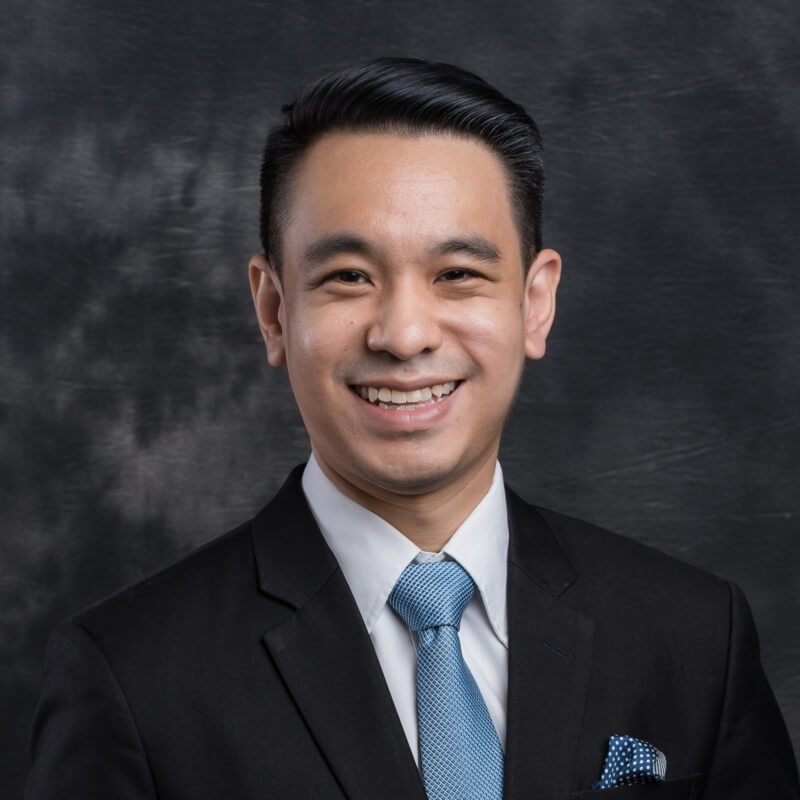
Donovan Cheah
Co-Founding Partner
Networking Lunch
Trivia Time
Smarter rewards
Scarcity, premiums and pay: Making confident reward decisions in a data-scarce market
In this facilitated session, participants will be divided into small groups to explore key discussion questions before sharing their insights with the wider audience. Guided by a facilitator, the session will encourage peer learning and practical conversations on how organisations are approaching reward decisions in today’s evolving talent market.
Discussion topics include:
- What factors should determine whether a role truly warrants a scarcity premium, and when is demand simply driven by short-term market trends?
- Making reward decisions when market data is limited or unavailable for emerging and niche roles.
- Striking the right balance between remaining competitive in the market while maintaining internal equity and employee trust.
- When do recurring premiums point to broader talent, sourcing or workforce strategy challenges?

Anjan Varma
Total Rewards Associate Director - South East Asia, Australia & New Zealand
Afternoon refreshments and networking break
Getting the price right: Is job architecture still relevant, or is it holding us back?
In this session, we challenge conventional thinking to talk about the potential evolution of job architecture into a skills-powered engine for future-ready rewards.
It is time for us to discuss:
- Rationale for moving beyond tenure-based progression towards skill-based pricing, at least for business-critical roles.
- The role of leadership sponsorship and clear business linkage in transforming job architecture models for demand–supply comparisons.
- If individual skills can be priced, skill clusters can too – will this open the door to blending traditional headcount with gig talent models?

Sek Fong Kan
Lead – Compensation & Benefits

Adrita Datta
Cluster Head of Talent, Culture & Inclusion, Malaysia & Singapore

Michelle Yong
Head of Human Resources
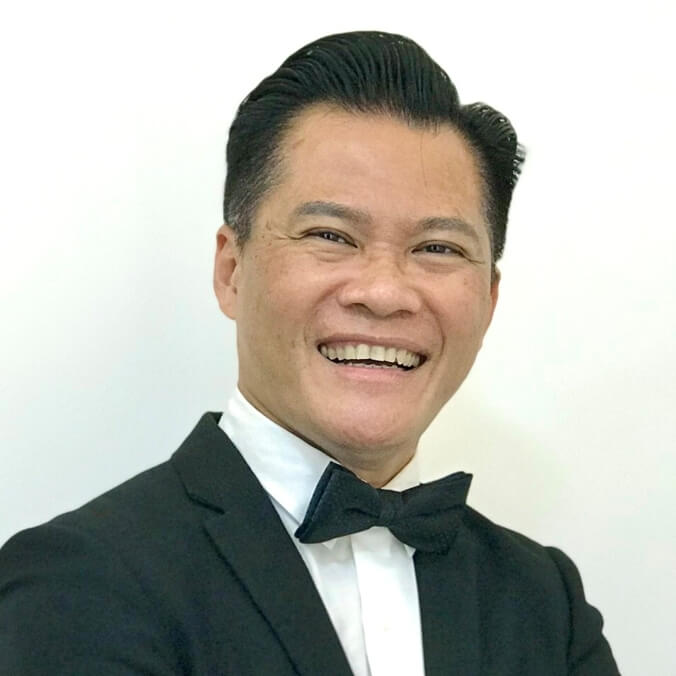
Dr. Koh Ngee Loke
HR Director, Malaysia & Thailand
Making smarter healthcare choices: Empowering employees to take charge of their wellbeing
When employees understand how to navigate healthcare options and make informed choices, they are better equipped to manage their wellbeing while using benefits more effectively.
We address these real-world tensions in this session by focussing on:
- How leaders can foster greater health literacy and personal accountability across the workforce.
- Understanding how to optimise flexible benefits and marketplace models to deliver cost savings and long-term value.
- Shifting health outcomes upstream through interventions to educate the workforce on making smart choices.

Queenie Yeoh
Head of Reward & HR Services
Hilti Asia IT Services