Agenda
DAY 1 | 1 JULY 2026
DAY 2 | 2 JULY 2026
Registration
9.00am
Welcome address and opening speech
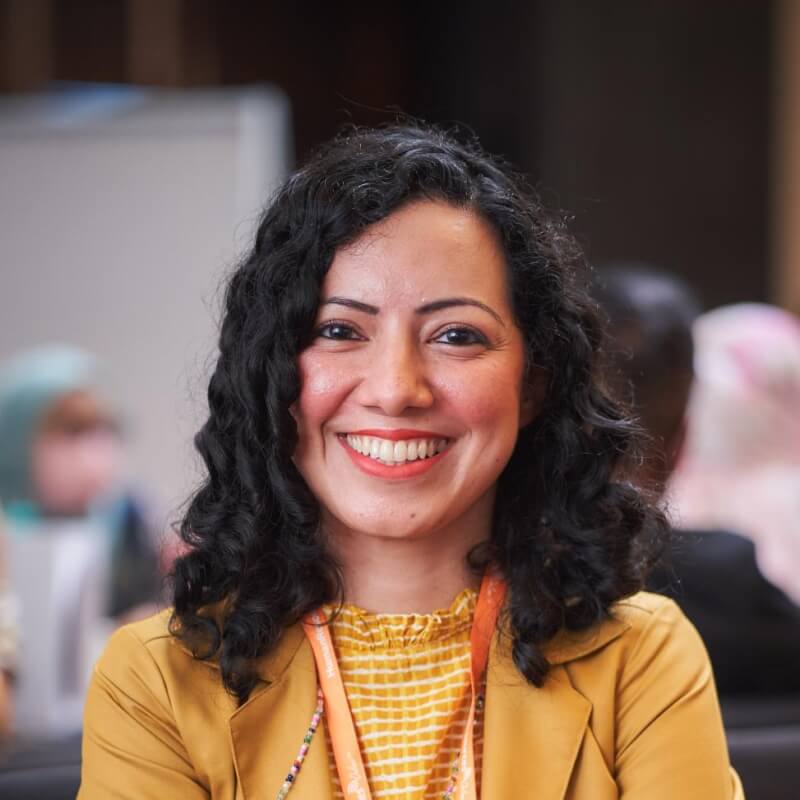
Aditi Sharma Kalra
Editor-in-Chief
MODERNISING REWARDS
9.20am
[Opening keynote]
From rewards specialists to strategic advisors: Redefining the role of total rewards leadership
For many organisations, the Total Rewards (TR) function has historically operated as a center of expertise. This includes the focus on compensation benchmarking, benefits design, surveys, and reporting. While these capabilities remain essential, the expectations placed on rewards leaders are evolving rapidly. As automation and advanced analytics increasingly streamline traditional rewards processes, the real opportunity lies in how insights are translated into strategic workforce decisions.
Yet in many organisations, rewards leaders remain positioned as data producers rather than strategic advisors. This gap limits the potential impact of the rewards function at a time when organisations need stronger connections between rewards strategy, workforce planning, and business performance.
This keynote will explore how Total Rewards leaders can reposition themselves at the center of strategic decision-making. By moving beyond technical expertise and learning to translate rewards insights into compelling business narratives, TR professionals can influence critical conversations about talent strategy, organisational priorities, and long-term business outcomes.
- Understanding the barriers to strategic impact: Why many rewards teams remain focused on operational delivery despite increasing demand for strategic influence.
- From analytics to influence: The skills and capabilities required to convert rewards data into persuasive insights that shape workforce strategy.
- The rise of the Total Rewards Business Partner: How this emerging role is helping bridge the gap between rewards expertise and business leadership.
- Future-proofing the TR function: Practical ways rewards leaders can evolve their operating model to stay relevant in an increasingly automated and data-rich environment.
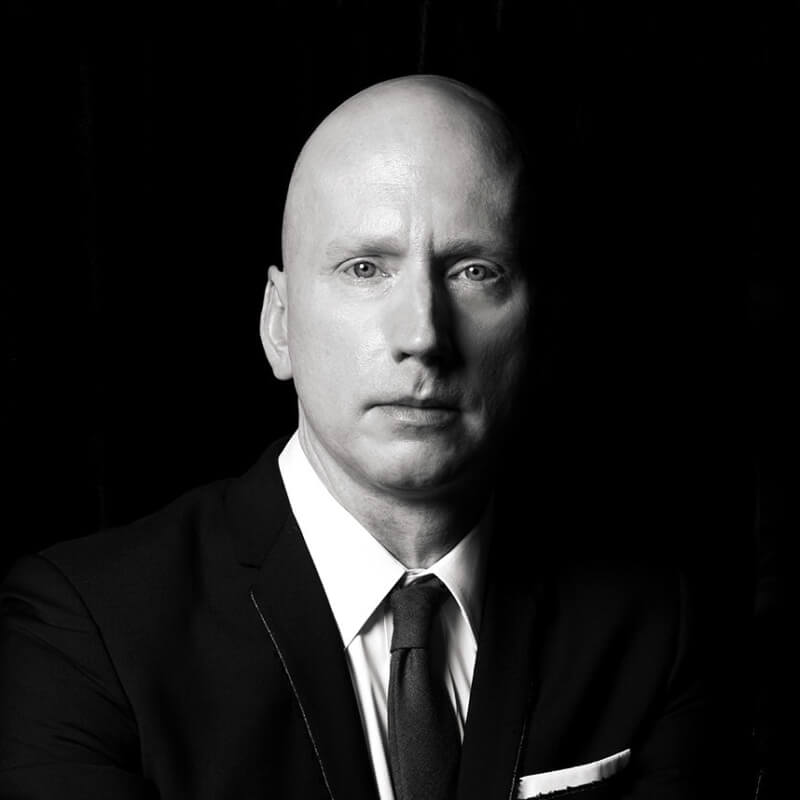
Michael Piker
Vice President, Global Total Rewards, People & Culture Division
10.00am
[Presentation]
Modernising rewards: Balancing cost, wellbeing, and sustainability
As organisations across Asia face rising benefit costs, a competitive talent market, and an ageing workforce, total rewards strategies must evolve. This session shares real-world case insights and regional survey findings on flexible benefits, personalisation and workforce segmentation, as our speaker pulls out case studies on data-driven decisions, cost-to-value justification, and shared cost responsibility to support sustainable workforce outcomes. Talk points from this session include:
- Aligning total rewards effectiveness with employee insights, and business objectives.
- Applying flexible benefits, personalisation, and segmentation to align rewards with diverse workforce needs.
- Managing rising benefit costs through fresh approaches including prioritisation, cost-sharing, and assessment of cost drivers.

Han Wei Fong
Country Leader and Head of Health & Benefits, Singapore
WTW
10.40am
Morning refreshments and networking break
CHANGE DRIVERS
11.10am
[Fireside Chat]
The future of workplace wellbeing: Where AI, data and employee-centric benefits converge
As wellbeing moves from “nice to have” to a core driver of productivity, engagement, and retention, organisations must rethink how they design and deliver support for their people. This session examines how HR leaders can use AI, data, and flexible benefits to move beyond one-size-fits-all programmes towards more proactive, employee-centred strategies.
Discussion points include:
- Reframing workplace wellbeing as a strategic business priority that drives better productivity, engagement, and retention.
- Using AI and digital tools to personalise wellbeing support at scale for diverse workforce needs.
- Leveraging people analytics to measure outcomes, identify risks such as burnout, and refine wellbeing strategies while respecting privacy.
- Redefining employee benefits through flexible, human-centred design that supports holistic wellbeing and improves utilisation and satisfaction.

Cedric Deschamps
CEO
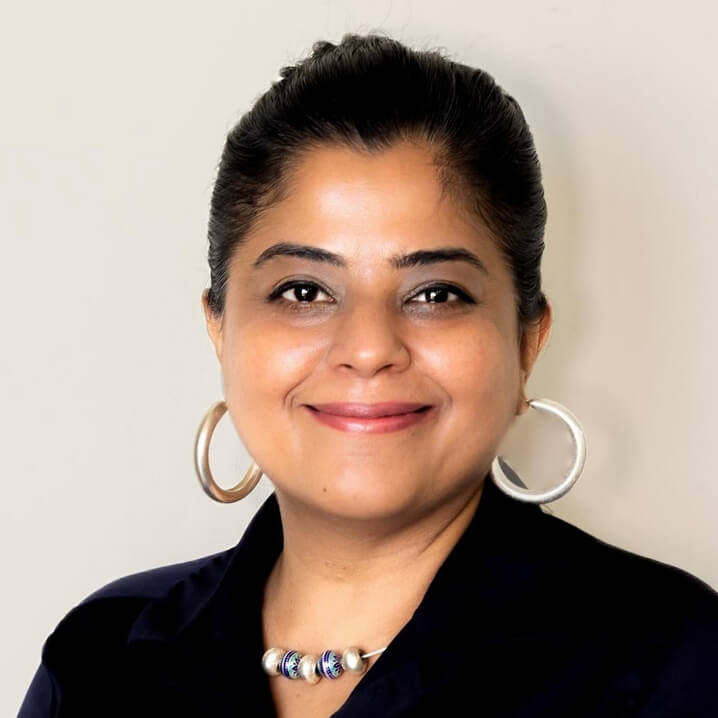
Heena Bose
CEO
Pacific Prime Singapore
11.50am
[Panel discussion]
Personalising benefits at scale: Designing Rewards 2.0 strategy for a multigenerational workforce
From early-career employees prioritising flexibility to mid-career professionals focused on family support, to older workers seeking healthcare security, today’s workforce expects benefits that reflect their evolving needs.
This session examines how HR leaders can rethink flexible benefits strategies to better serve a multigenerational workforce expectation while ensuring cost discipline to remain financially sustainable.
Discussion points include:
- Designing flexible benefits frameworks that address the needs of a multigenerational workforce while maintaining fairness and simplicity.
- Using data and technology to guide benefit design, improve utilisation, and optimise cost-to-value outcomes.
- Practical approaches to move beyond one-size-fits-all through a structured flexibility model.

Tommy Loy
Head of People & Capability
Panellists:
Shaun Ee
Head of People

Madhumita Banerjee
APAC Head of Compensation and Benefits
Bank of America

Shaun Sha
Founder
12.30pm
Networking Lunch
1.40pm
[Panel discussion]
From care to competitive edge: Operationalising wellbeing as a business strategy
From care to competitive edge: Operationalising wellbeing as a business strategy
Many organisations talk about holistic wellbeing but struggle to move beyond awareness campaigns and standalone initiatives. Without clear ownership, leadership accountability, and measurable outcomes, wellbeing risks becoming an HR programme rather than a business priority.
This session explores how HR leaders can position their mandate as a structured, business-aligned strategy rather than a standalone HR initiative.
We will probe into:
- Operationalising wellness: Creating human-centric approaches which translate values into preventive, behaviour-driven strategies and flexible benefits design.
- Building an ownership-driven culture: Moving wellness programmes beyond HR-led initiatives by leveraging leadership accountability, peer support, and psychological safety.
- Measurable business impact: Linking wellbeing frameworks to clear organisational outcomes, including improved productivity and sustainable talent retention.
Aditi Sharma Kalra
Editor-in-Chief
Panellists:
Winnie Ow
Director, Rewards, People Advisory, Digital & Analytics
AIA Singapore
Ethan Pang
Director, University Wellbeing Office

Eudora Choo
Head of Benefits, APAC
WPP
[Panel discussion]
Smarter healthcare choices: Empowering employees to bounce back faster and stay well longer
To shift to this perspective, wellness benefits need to be understood as everyday tools for emotionally healthy employees, and not just for crisis intervention.
This session focuses on how HR and wellbeing teams can normalise early use of support, empower employees to act and advocate for themselves, and equip them with the skills and tools to respond when the unexpected happens.
We address real-world tensions in this session by focussing on:
- Moving beyond crisis-only support to proactive tools such as training, coaching, wellbeing assessments, and activity tracking before challenges arise.
- Tackling the “EAP is not for me” perception by building awareness that wellbeing resources are for everyone, helping to prevent disengagement and quiet quitting.
- Personalising access to wellbeing services so employees can choose what fits their needs, make smarter healthcare decisions, and use benefits with confidence.
Stanley Tok
Deputy Director HR and Agile Transformation
Panellists:

Isaac Chin
Corporate Director, Human Resources (Rewards & Technology)
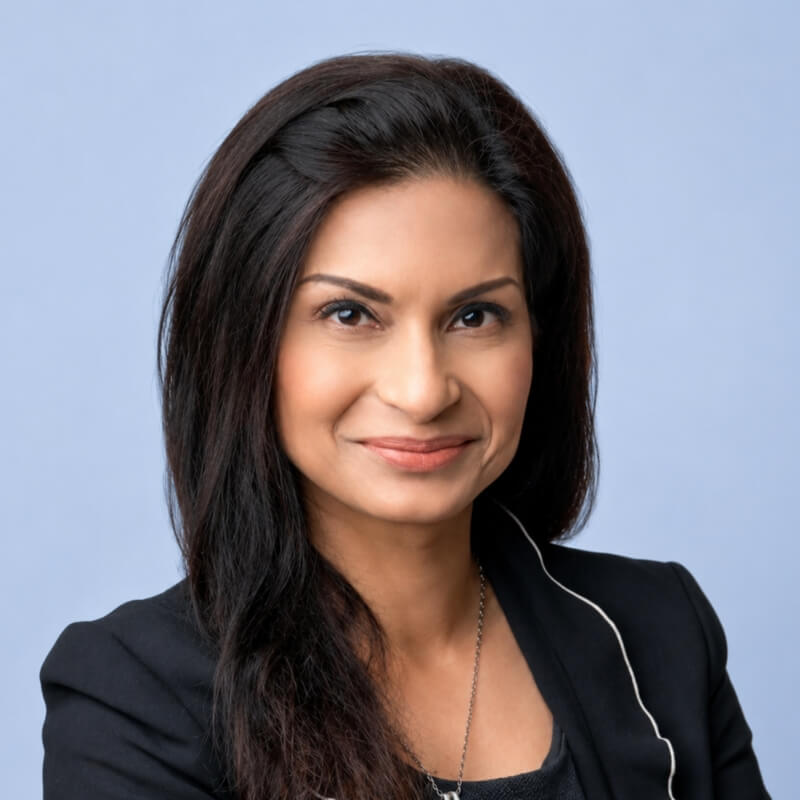
Kabita Karthigeyan
Head of Benefit Solutions, Asia

Wynne Wee
Vice President, Asia Pacific
3.00pm
Afternoon refreshments and networking break
SHARPER TALENT STRATEGY (1)
3.30pm
[Spotlight]
Winning the AI talent wars: Rethinking rewards and ownership for the AI workforce
As demand for AI expertise accelerates, traditional compensation playbooks are being tested. Competitive base pay alone no longer attracts or retains scarce AI talent. Organisations must now rethink rewards to balance market competitiveness, build an ownership mindset, and create long-term value in an environment of high talent mobility.
This session explores how organisations are recalibrating compensation strategies to compete for AI talent while maintaining equity and sustainable reward structures.
Key discussion topics include:
- What leading tech companies are doing differently: Emerging equity and incentive practices designed to attract and retain AI talent.
- Why traditional equity models are being challenged: Why LTI designs tied solely to IPO events or long vesting may no longer resonate.
- Designing rewards for impact and ownership: Structuring incentives to reward innovation, encourage commitment, and foster ownership.
- Lessons from practice: How Lenovo is evolving its compensation strategy to better support AI talent.

Grace Wu
Executive Director, Executive Compensation, Share Plans & Global Mobility
4.00pm
[Lightning talk]
Don’t we all want the best?: Designing sustainable compensation to procure in-demand skills
The race for niche, fast-moving skills has made compensation decisions more complex and more fragile than ever before. Total rewards leaders have a responsibility to balance market competitive rates with maintaining internal equity, to keep rewards sustainable.
In this session, we find out how total rewards (TR) and talent acquisition (TA) teams are working together to make disciplined, data-backed decisions.
Hear from TR and TA leaders in this session about:
- Addressing the endless permutations of supply–demand imbalances for niche skills on pay, incentives, and benefits.
- How TR and TA leaders can take shared accountability for hiring decisions that don’t destabilise the wider workforce.
- Decoding the art of making intentional calls to ‘build’ in-house instead of overpaying externally to ‘buy’ talent.

Priya Sunil
Deputy Editor
Panellist:
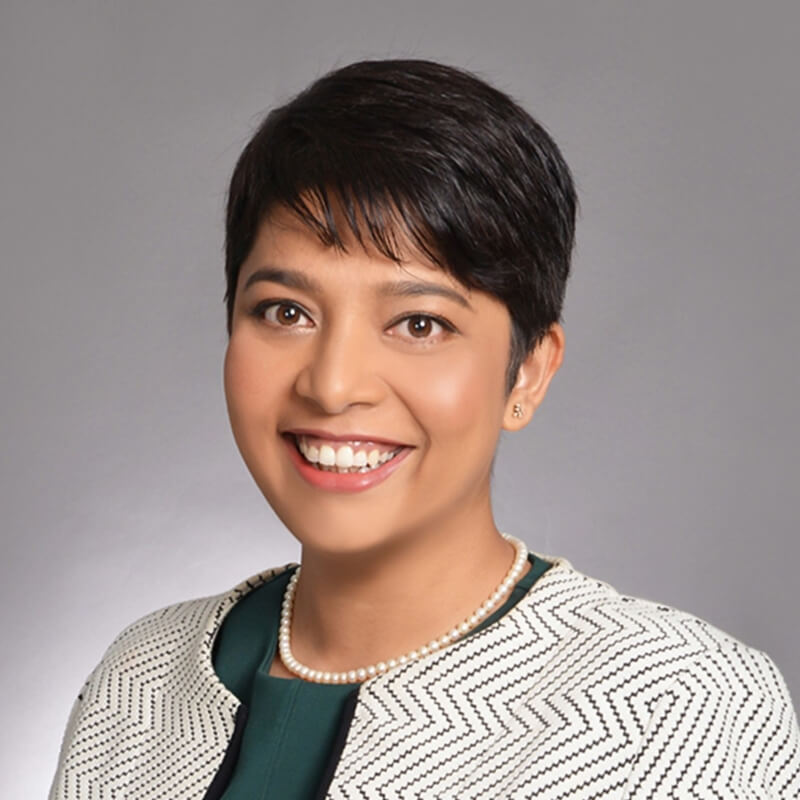
Sagorika Roy
Head of Performance, Rewards and People Analytics
Toll Group
4.30pm
Closing address
4.40pm
End of day one
8.15am
Registration
9.00am
Welcome address and opening speech

Umairah Nasir
Journalist
FUTURE READY WORKFORCE
9.20am
[Keynote presentation]
The power of micro-habits: Why small behaviour changes drive lasting wellbeing and organisational change
Lasting wellbeing and sustainable transformation are rarely achieved through grand programmes, policy changes, or one-off initiatives. More often, meaningful change happens through the small, consistent behaviours that shape how people think, lead, collaborate, and perform every day.
In this keynote, our speaker explores the science and practice of micro-habits: small, intentional actions that create lasting improvements in wellbeing, resilience, and performance. Beyond personal health, these same principles can help HR leaders and business partners influence stakeholder behaviour, embed new ways of working, and drive successful organisational transformation.
As organisations navigate constant change, HR professionals play a critical role in shaping culture and helping leaders adopt new mindsets and behaviours. Discover how small behavioural shifts can create momentum for lasting change at both the individual and organisational level, starting from building psychological safety in teams to strengthening leadership habits that foster wellbeing and employee engagement.
Join us to learn practical strategies for making positive behaviours easier, more sustainable, and more likely to stick. Because when it comes to transformation, the smallest changes often have the greatest impact.
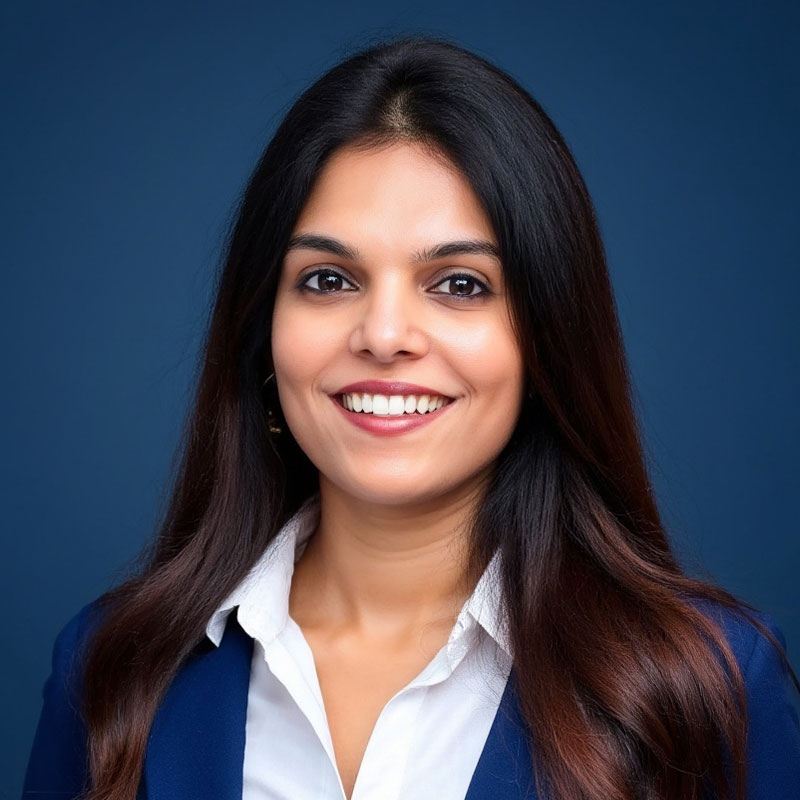
Priyanka Murthy
Director People & Culture, Digital InfraCo
Singtel
10.00am
Modern families: Accommodating parents, pets and partners in new-age benefits mindsets
The traditional definition of family is evolving. As governments expand parental policies and societies recognise diverse family structures, organisations are being challenged to rethink who exactly benefits are meant to support.
In this society-meets-rewards discussion, we explore examples on how benefits are evolving to go beyond traditional family setups. We will talk about:
- What rising paternity leave reforms, ageing populations, and declining birth rates mean for benefits design.
- Expanding support beyond traditional definitions, to recognise adoption, surrogacy, partners, and caregiving duties.
- Ways to gauge if emerging, alternative benefits, genuinely enhance wellbeing or are simply a passing trend.
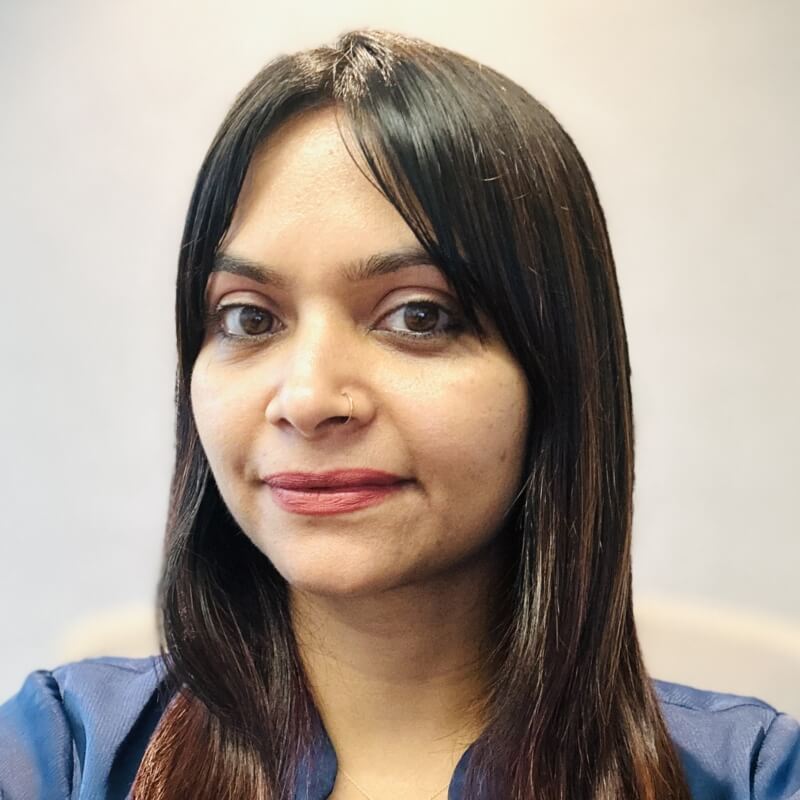
Meenakshree Nanda
Director – Wellbeing, Inclusion & Diversity – APAC Region
Panellists:

Jacintha Loke
Rewards Manager, APAC

Joy Lim
Head of Human Resources, Southeast Asia & Head of Compensation, Asia

Pheona Chua
Regional Director, Corporate Health & Wellbeing, Health & Benefits, Asia Pacific
10.40am
Morning refreshments and networking break
AGILE AND PERSONABLE
11.10am
From entitlement to ownership: Reframing total rewards for agile talent strategy
Total rewards professionals must move beyond entitlement-driven expectations of employees. Beyond compensation, leaders must build a more sustainable rewards philosophy that inspires shared ownership across the business, leaders, and employees.
This session will unpack how total rewards can be leveraged to strengthen trust, support change, and empower employees to navigate evolving business realities, and move the needle on how rewards are perceived.
Get set to hear our speaker talk about:
- Aligning rewards with business priorities, workforce needs, and sustainable growth.
- Connecting employer intent, leadership accountability, and employee choice to reinforce culture and trust.
- Challenging legacy mindsets, communicating rewards evolution effectively, and designing frameworks that stay relevant amid shifting market realities.
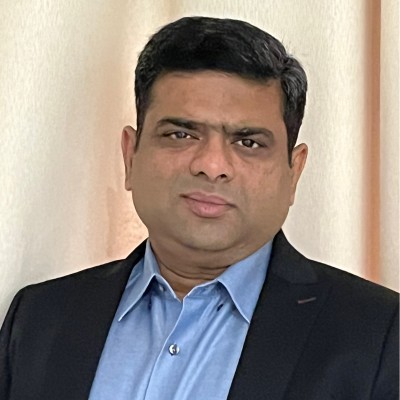
Uday Burra
Head of People Care, APJ and India
Nokia
11.40am
Getting the price right: Is job architecture still relevant, or is it holding us back?
Many organisations are questioning whether traditional job architecture models are still fit for purpose in a fluid world. Too often, pay discussions revolve around who sits in the role rather than what the role delivers, or what skills are needed in the role.
In this session, we challenge conventional thinking to talk about the potential evolution of job architecture into a skills-powered engine for future-ready rewards.
It is time for us to discuss:
- Rationale for moving beyond tenure-based progression towards skill-based pricing, at least for business-critical roles.
- The role of leadership sponsorship and clear business linkage in transforming job architecture models for demand–supply comparisons.
- If individual skills can be priced, skill clusters can too – will this open the door to blending traditional headcount with gig talent models?
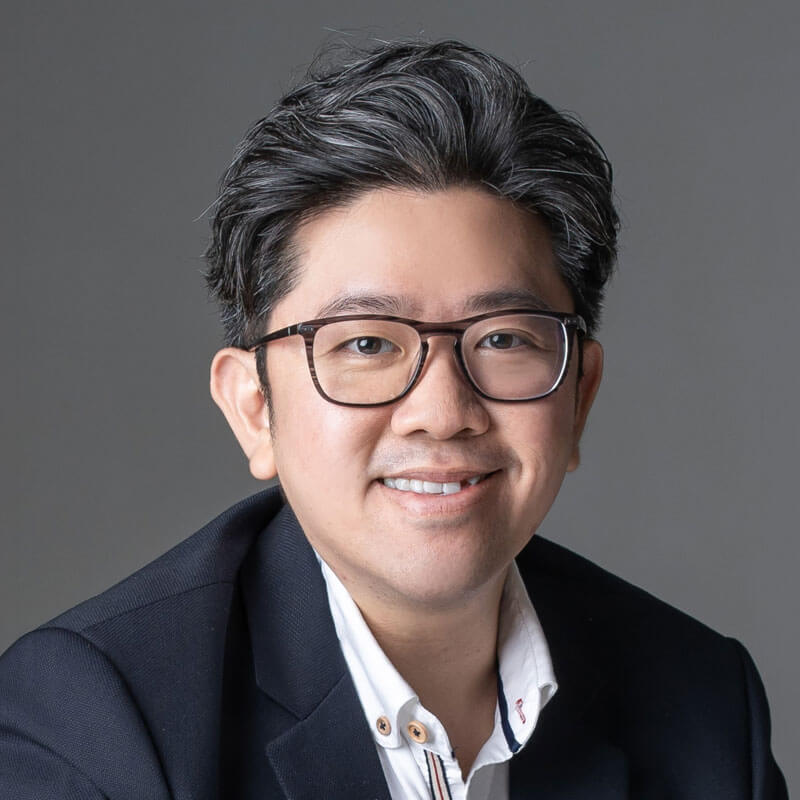
Ker Ying Tiang
Senior People Partner, aMEA
Panellists:

Jie Li
Senior Total Rewards Manager, Asia, Middle East & Africa
Levi Strauss & Co.

Brenda Khon
Deputy General Manager, Compensation & Benefits
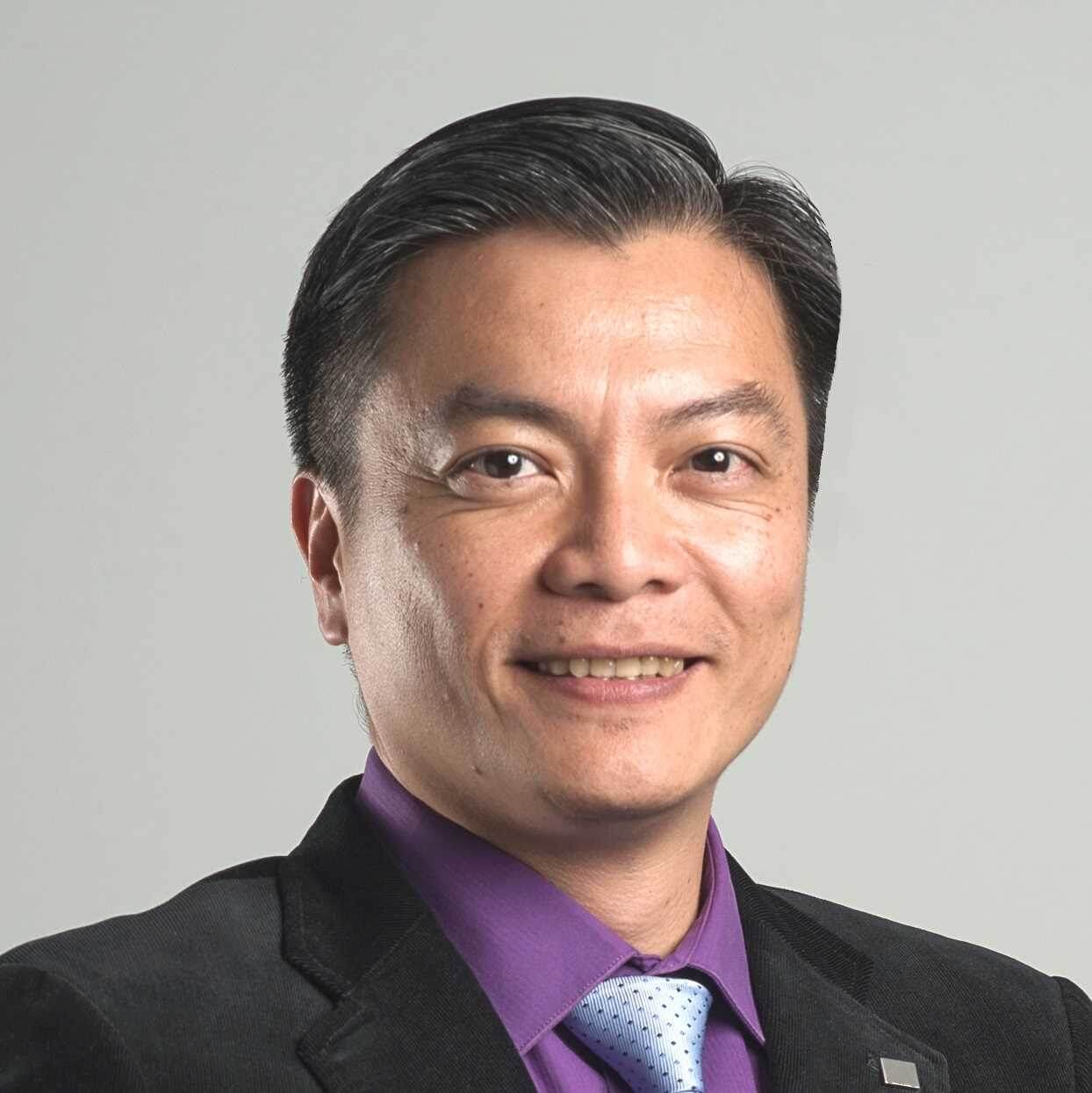
Hans Han
Head of Regional Rewards, Director COE – Asia Pacific
12.20pm
Networking Lunch
1.20pm
Trivia time
Let’s inject some energy into everyone post-lunch! Scan the QR code and take part in this free-for-all trivia quiz for a chance to win a coveted prize: recognition for being the most knowledgeable and one with the fastest fingers in this room!
TRANSPARENT TOTAL REWARDS
1.50pm
Pay transparency in practice: Turning clarity into employee trust
As pay transparency moves from a progressive practice to a growing market expectation, organisations need to prepare with intention, rather than react under pressure. Beyond publishing ranges or meeting disclosure requirements, the real challenge is explaining the rationale behind pay decisions, building manager confidence, and helping employees understand what transparency means for them.
Drawing on experience from a recent pay transparency rollout, this session will set the scene for the broader APAC discussion by focusing on the internal readiness journey. We will cover how to define the value proposition, manage employee reactions, use data and AI responsibly, and design communication strategies that build trust.
Get set to discuss:
- Defining a clear pay philosophy and value proposition so employees understand how pay decisions are made, what is being disclosed, and what it means for them.
- Managing employee reactions and difficult questions, including why colleagues in similar roles may be paid differently.
- Using data, AI, and cross-functional communication strategies to support pay transparency while maintaining fairness, privacy, and trust.
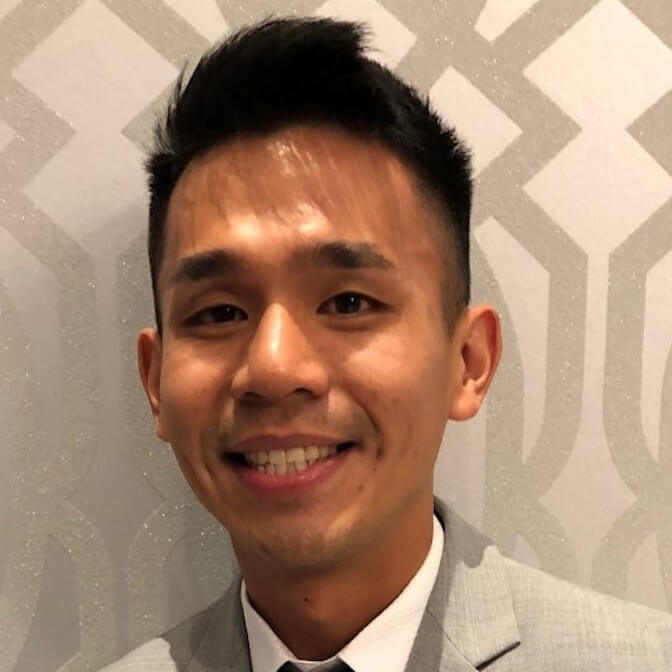
Terrence He
Senior Regional HR Business Partner, Asia Pacific, China & Japan
Booking.com
2.20pm
[Lightning talk]
Impact of pay transparency in APAC: Converting compliance into a competitive advantage
Sweeping pay laws emerging across Europe may appear geographically distant, but their impact is unavoidable for any organisation with a global footprint.
As companies begin complying with new disclosure and reporting requirements, Asia’s rewards teams have a real advantage to try and demonstrate how proactive pay transparency efforts can deliver business value, whilst complying with local cultural norms.
In this session, we hear from our speaker on:
- Impact on downstream obligations for APAC entities, from job architecture and pay ranges to gender pay gap analysis.
- Real-world examples of tangible progress, such as proactively correcting gender pay gaps.
- The evolving role of total rewards professionals in shaping data readiness, stakeholder conversations, and phased transparency approaches.
Speakers:

Sumeda Kaw
SEA and Singapore TR&S Leader
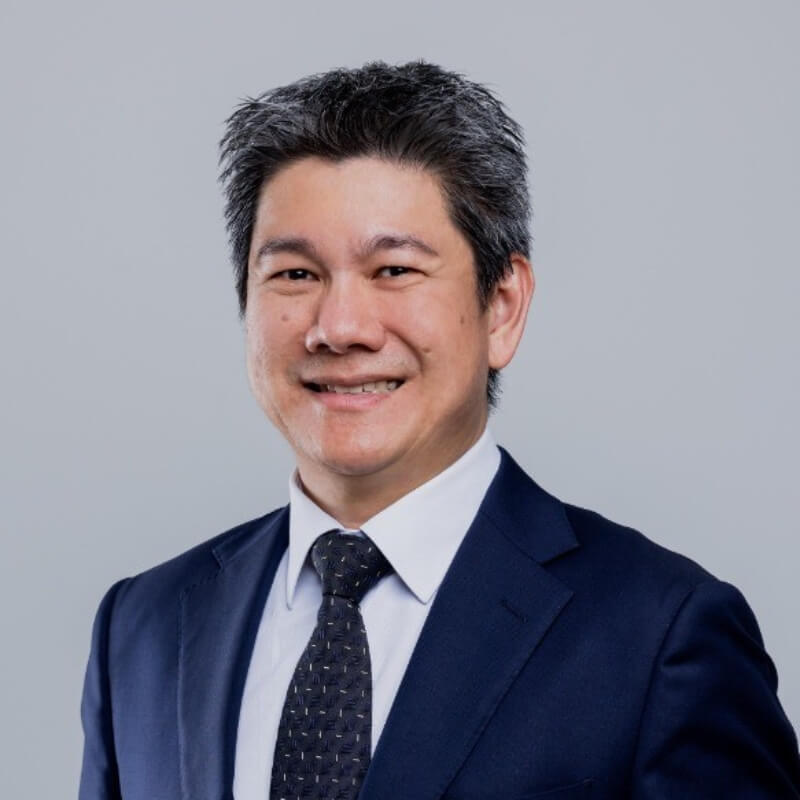
Andre Lim
Head of Total Rewards, JPAC
3.00pm
Afternoon refreshments and networking break
SHARPER TALENT STRATEGY (2)
3.30pm
Powering performance: Creating a workforce that thrives through strategic support
As talent expectations rise and business conditions shift, total rewards must play a broader role in workforce strategy. Beyond pay and benefits, TR can help organisations make sharper talent decisions, strengthen fairness, and build a workforce that is ready to perform and grow.
In this keynote, our distinguished speaker will explore:
- Identifying gaps and opportunities: How organisations can assess where rewards and talent practices may fall short, and respond with solutions that support business and workforce needs.
- Designing employee-centred, market-aware strategies: Practical ways to benchmark locally and globally, attract the right talent, improve candidate experience, and bring people in at the right level.
- Driving organisational impact: How rewards can work closely with HR, talent acquisition, business leaders, recognition, and wellbeing teams to improve engagement, retention, performance, and trust.

Irene Goh
Head of Rewards, Recognition and Wellbeing
4.10pm
Skills-based pay: Can AI be the missing piece to move the needle on this approach?
Organisations have been trying to move towards skills-based workforce models for years now; however, compensation strategies have not evolved beyond traditional role-based pay. Advances in AI now offer the promise of verifying employee skill claims, measuring competency levels, and identifying which capabilities truly drive.
While the promise is significant, is large-scale implementation truly feasible? It is time to find out as we raise issues around:
- Utility of AI-driven insights to identify critical skills, validate competencies, and link compensation more directly to employees’ capabilities.
- Challenges in the implementation of skill-based compensation models, such as data accuracy, skills verification, and more.
- How total rewards leaders can support with building skills taxonomies, integrating market insights, and experimentation.
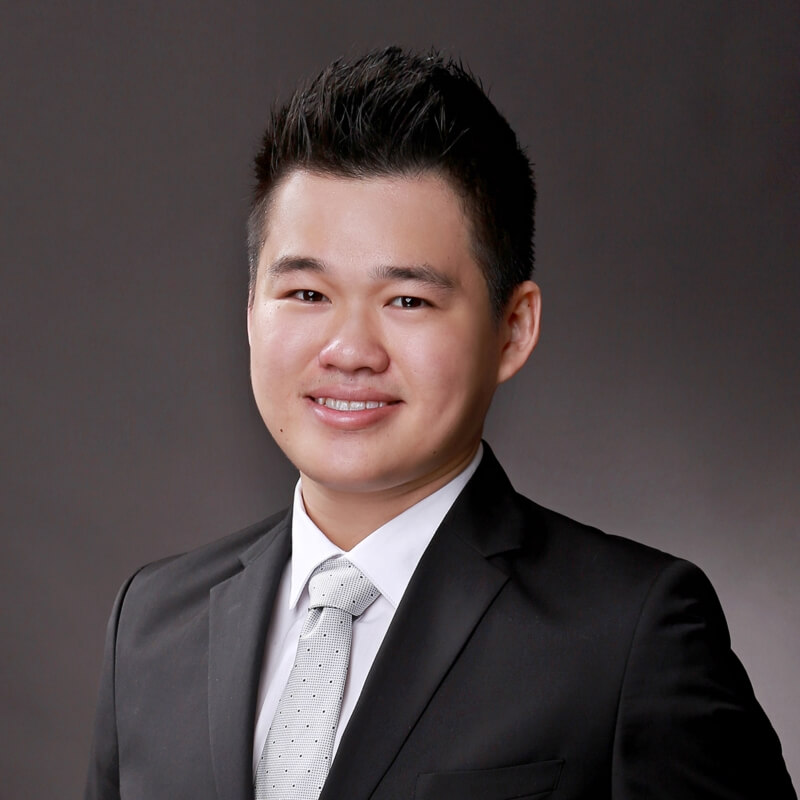
John K. Tan
Global Organisational Architecture & Total Rewards Leader
4.40pm
Closing Remarks
5.00pm