Agenda
6 August 2026
8:00am
Registration and networking
Opening remarks
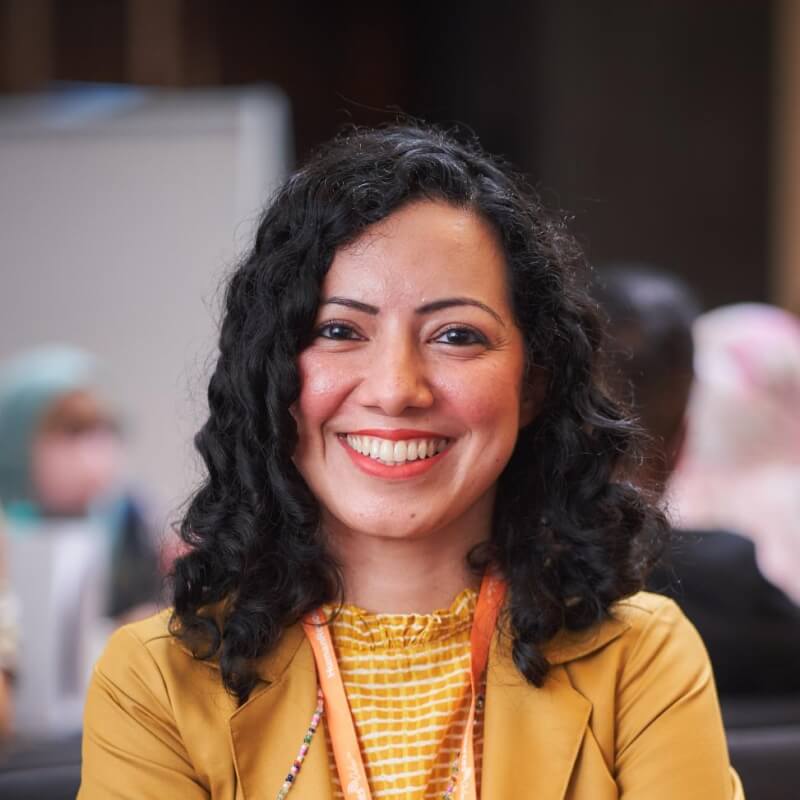
Aditi Sharma Kalra
Editor-in-Chief
9:20am
[Opening keynote]
Bridging the productivity gap: Building a future-ready workforce to support business success
Rising labour costs and tighter margins are forcing organisations to rethink the drivers of sustainable growth. Hiring more people is no longer a sustainable solution. Productivity must improve without expanding headcounts, especially in labour-intensive industries.
In this session, our expert speaker will explore how HR can act as a business driver. By identifying productivity leaks, leaders must ensure every talent decision is a direct investment in business outcomes.
Topics of discussion will include:
- Improving productivity: Strategies to move output-per-worker by upskilling the existing workforce.
- HR as an ROI driver: Practical frameworks to link HR data, such as recruitment speed and performance accuracy, directly to business performance.
- Elevating HR leadership: Ways for CHROs to stay agile and relevant based on current workforce trends and shifting business priorities.
10:00am
[Keynote Presentation]
HR as the performance architect: Revamping workforce models for strategic growth
To enhance productivity, organisations must redesign jobs, shift leadership mindsets, and rebuild performance systems. This helps to align talent, data, and digital tools for sustainable growth.
This panel examines how HR leaders are helping to reshape functional operating models to build resilient organisations capable of sustaining performance under pressure.
Topics of discussion will include:
- Redesigning workforce architecture: Reorganising jobs, team structures, and decision flows so work is designed for faster execution and performance.
- Embedding accountability: Enabling people managers to be responsible not just for targets, but also for team engagement, retention, and results.
- From tools to systems: Using technology to improve how work gets done, not just to digitalise existing processes.
10:40am
Networking break
11:10am
[Presentation]
Accelerating AI adoption: Building organisational capability to drive digital confidence
While access to AI and digital tools is increasing across the nation, productivity gains remain uneven. Without deliberate capability-building, organisations are struggling to develop digital confidence, resulting in low utilisation of technology and inconsistent performance outcomes.
This session focuses on how HR leaders can drive tech-driven organisational change, including large-scale upskilling, overcoming internal resistance, and turning AI adoption into measurable performance outcomes.
Topics of discussion will include:
- Mindset over software: Cultivating an agile mindset to embrace new tech solutions.
- IT and data compliance: Ensuring that new AI tools follow local privacy laws and security rules so that company data stays safe.
- From adoption to fluency: Utilising AI as a partner for faster decision-making in solving day-to-day business problems.
11:50am
[Panel discussion]
From manual to measurable: Delivering real operational value from HR tech
Manual HR processes are becoming increasingly time-intensive and yielding lower output as Indonesian organisations scale. As leaders turn to technology to better manage these tasks, every investment must be justified by a clear ROI.
This session focuses on the practical journey of adopting HR tech; from proving the commercial value to the board to ensuring the leadership team has the confidence to use new tools effectively.
Topics of discussion will include:
- Enhancing employee experience: Using digital HR systems to improve transparency, response times, and consistency across every stage of the employee journey.
- A step-by-step approach to adoption: How to successfully introduce new tools by building long-term digital confidence within teams.
- Proving value: Practical ways to show how investing in HR tech reduces administrative burden and allows HR to focus on high-impact activities.
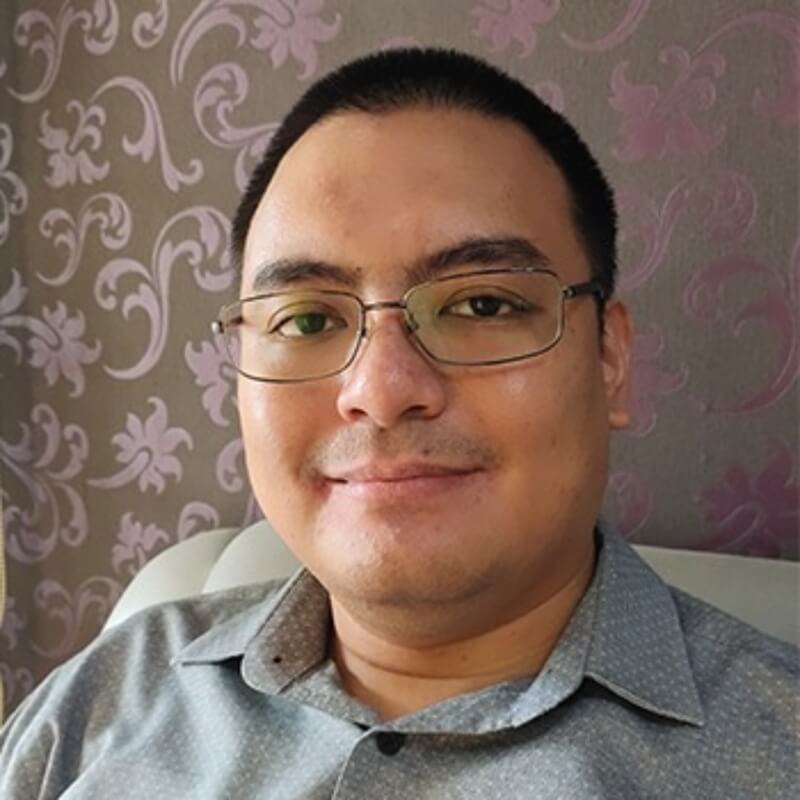
Indra Tertiari Efka
Human Capital Group Head
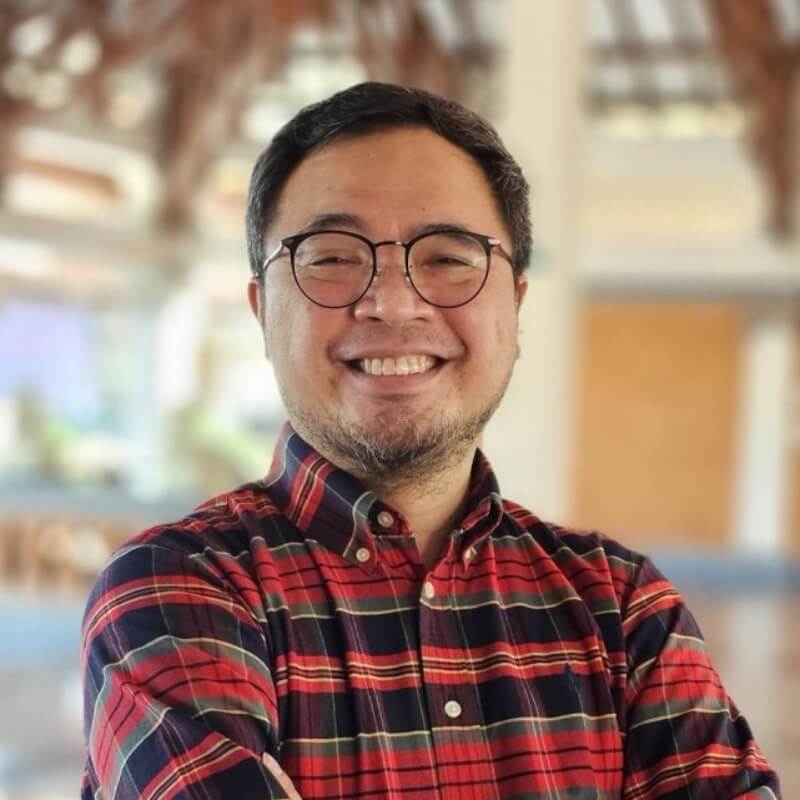
Maulidin Pamur Dhani
Vice President of People Journey and Enabler Management
12:30pm
Networking lunch
1:30pm
Talent Trivia
1:45pm
[Panel discussion]
The motivation gap: Rethinking value, flexibility, and retention across generations
Indonesia’s workforce is becoming more diverse in how people are motivated at work. While younger employees may place greater importance on flexibility and meaning, more established generations may prioritise stability and structure.
As these expectations collide, in this panel, we examine how HR leaders can respond to changing workforce expectations and build an EVP that is relevant and attractive across generations.
Topics of discussion will include:
- Redefining motivation at work: Understanding what different generations expect and value.
- Balancing flexibility with accountability: Rethinking the employee value proposition to meet evolving expectations without compromising performance.
- Retention in a multi-generational workforce: Building strategies that appeal to different career motivations and life stages.
Panellists:
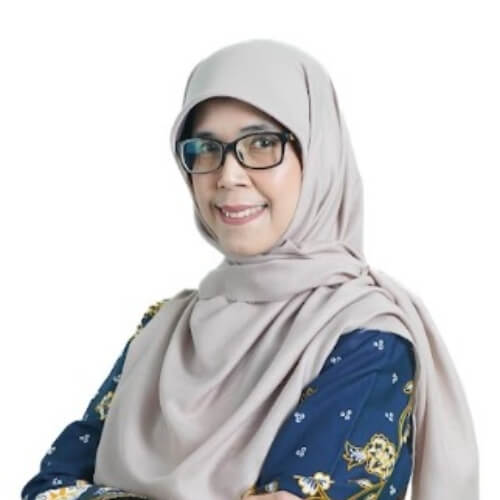
Oktira Kirana
HR Director (People & Culture Business Partner)
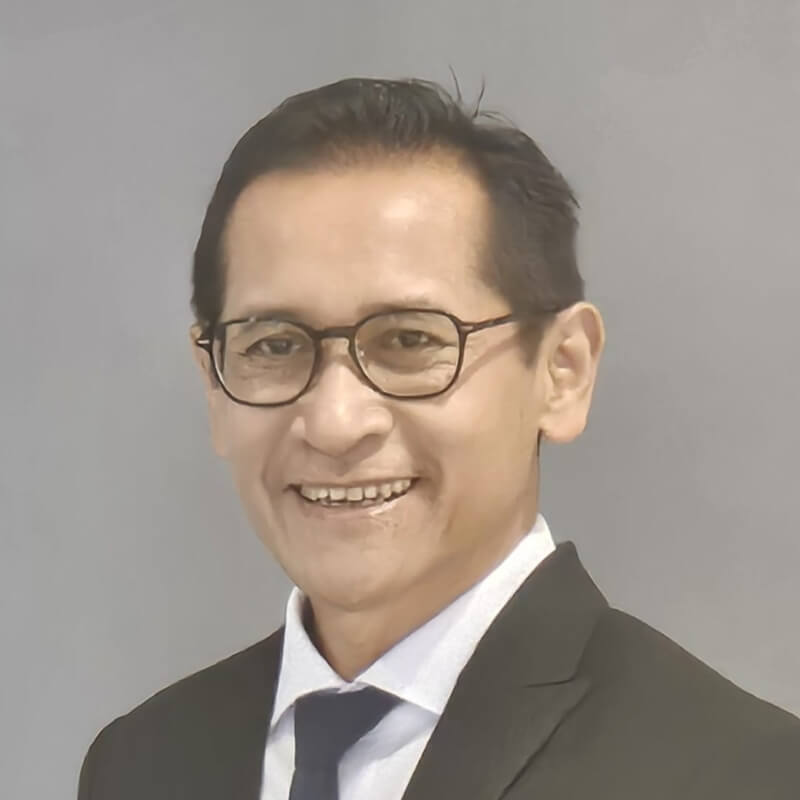
Wahyu P. Wibowo
Group Director of Human Resources, Risk, Legal & Compliance
Sucor Asset Management
2:25pm
[Fireside chat]
From micromanagement to mentorship: Developing new leadership styles for the modern workforce
Leaders in the nation can no longer rely on hierarchy, control, or a one-size-fits-all approach. Today’s managers must lead teams with different expectations and working styles, while still building trust and maintaining performance. This requires a more adaptive approach to leadership.
This session explores how leaders can adapt their management style to support the modern workforce, build psychological safety, and communicate more effectively across the workplace.
Topics of discussion will include:
- Rethinking how feedback is delivered: Moving beyond one-size-fits-all communication to suit different employee needs and expectations.
- Creating openness across hierarchies: Encouraging dialogue in environments where employees may hesitate to speak up.
- Building trust through consistency: Creating everyday leadership habits that make employees feel safe to speak up, ask questions, and contribute openly.
Speaker:
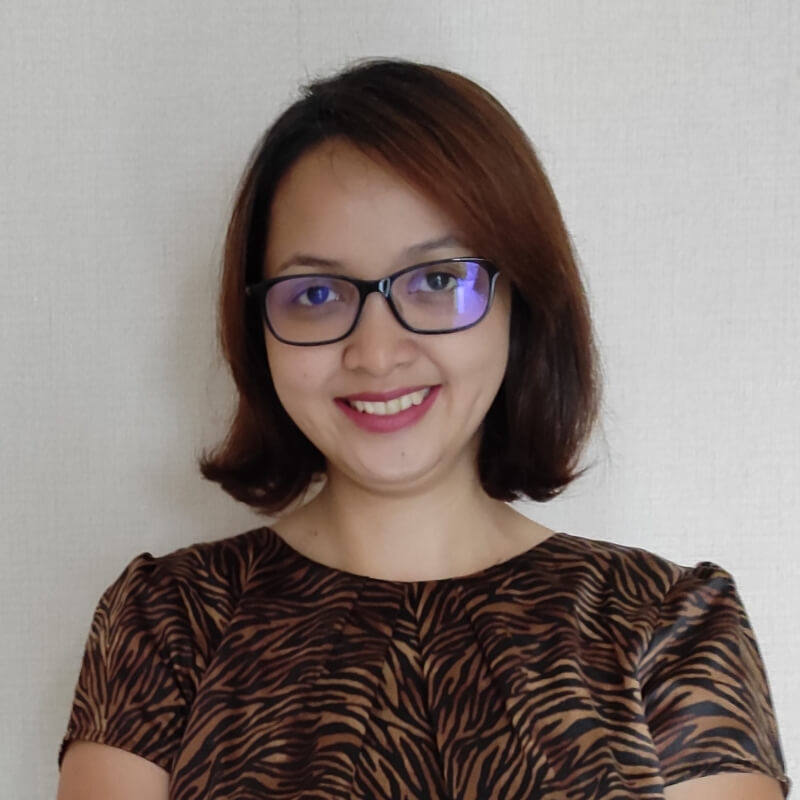
Dian Wanni
Country HR Lead – Indonesia/Malaysia
2:55pm
Networking break
3:25pm
[Spotlight]
Agility in action: Sustaining performance during continuous change
In an era of rapid restructuring and digital integration, change is no longer a one-off project but a permanent state of operation. To protect performance and morale, organisations must embrace change management as a part of work rather than a time-bound project.
This session shows how HR leaders can prepare their workforce to overcome anxieties associated with various organisational uncertainties.
Topics of discussion will include:
- Preparing for change: Equipping employees to stay focused and adaptable amid uncertainty, disruption, and external pressure.
- Transparent communication: Delivering difficult messages with clarity, consistency, and empathy to prevent employee morale from declining.
- Developing internal change advocates: Exploring the role trusted employees can play in reinforcing change and easing transition across teams.
3:45pm
[Panel discussion]
Undoing conscious unbossing: Empowering top talent to step into management roles
Many younger employees have high potential to grow within their organisation. Yet they hesitate to take on management roles due to unclear rewards, leadership pressure, and doubts about their long-term relevance. As this ‘unbossing’ trend grows, organisations face rising concerns around leadership succession and the strength of their future management pipeline.
The focus for this panel will be on building stronger internal progression pathways, improving employee relevance, and equipping aspiring leaders with the right skills.
Topics of discussion will include:
- Redesigning progression: Creating accessible pathways for high potential employees to grow into leadership roles.
- Internal coaching and mentoring: Establishing support systems that pair aspiring leaders with mentors to build management confidence.
- Managerial capability development: Tested approaches to train functional specialists to build people management skills.

Nelda Siburian
Head Rewards, Organisation Development & Strategy Human Capital
Maybank
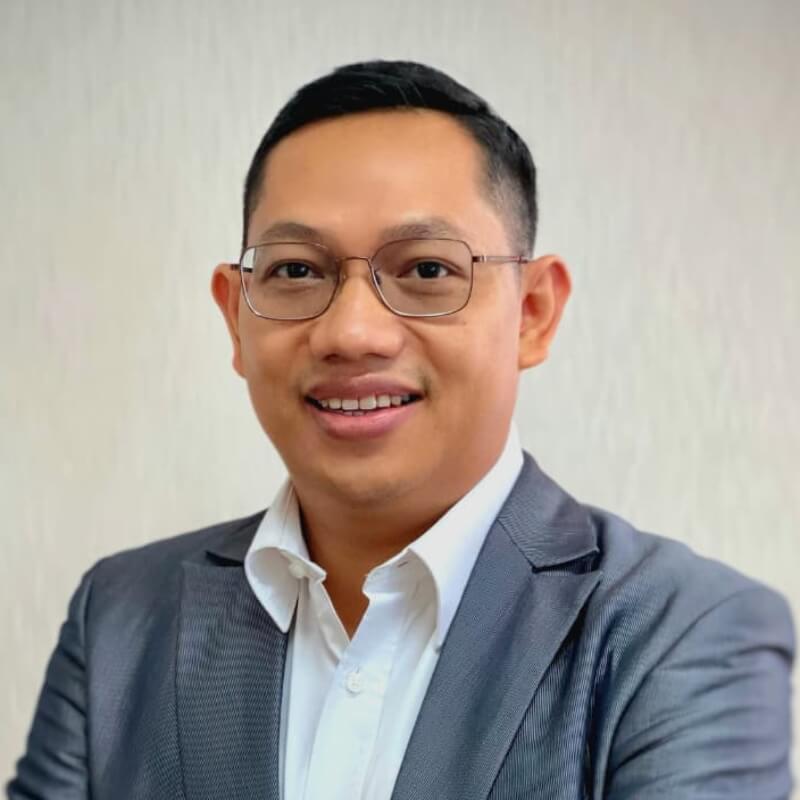
Robby Purbantoro
Human Resources Director
4:25pm
[Spotlight]
Communicating change with clarity: Building trust in times of uncertainty
Change can be difficult to manage when communication remains too top-down and employees do not feel comfortable asking questions. In hierarchical workplace cultures, trust is shaped not just by the decision itself, but by whether leaders explain change clearly and in a way that feels credible to employees.
This session explores why communication has become a critical part of trust, and how HR leaders can help organisations move change forward more effectively.
Topics of discussion will include:
- Making the case for change: Communicating what is changing, why it matters, and why employees should support it.
- Reducing uncertainty to sustain trust: Ensuring leaders and managers communicate consistently.
- Creating safe space for dialogue: Encouraging open communication so employees can clarify doubts, raise concerns, and feel more confident buying into change.
4:45pm
Closing remarks & see you next year!
Aditi Sharma Kalra
Editor-in-Chief